
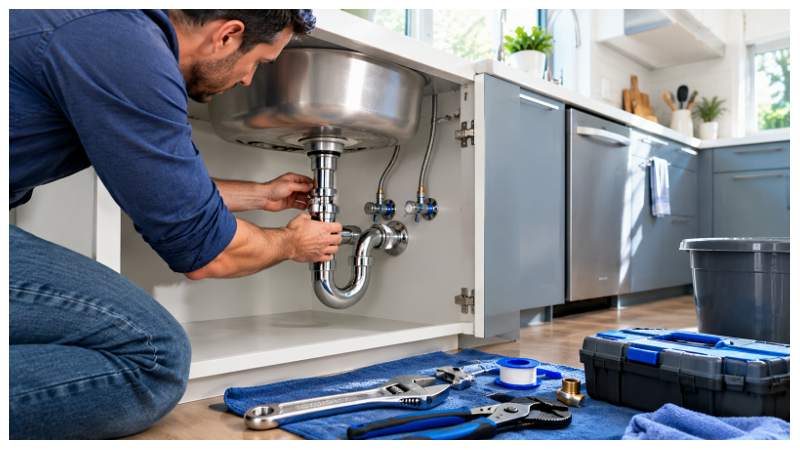
A properly maintained plumbing system is essential for a comfortable, hygienic, and functional home. From kitchen sinks and bathroom faucets to toilets, drains, and water supply pipes, plumbing fixtures support many everyday activities. However, small issues such as dripping taps, slow drains, and running toilets can develop over time. If ignored, these problems may waste water, increase household expenses, or cause damage to floors, cabinets, and walls.
Home Plumbing Guide Mrshometips: DIY Solutions explores practical ways homeowners can understand their plumbing systems, recognize common problems, and handle suitable minor repairs. Although some maintenance tasks are manageable without professional assistance, more complicated issues require appropriate training and equipment.
Learning basic plumbing skills can help you identify problems earlier, maintain household fixtures, and make informed decisions about repairs. The key is knowing which tasks are safe to handle yourself and when professional support is necessary.
1. What Is Home Plumbing Guide Mrshometips?
Home Plumbing Guide Mrshometips is a practical approach to understanding residential plumbing and managing common household maintenance tasks. It focuses on simple troubleshooting, preventive care, essential tools, water conservation, and safe repair practices.
The goal is to help homeowners become more confident when dealing with everyday plumbing concerns without encouraging risky or unsuitable repairs.
Why Basic Plumbing Knowledge Matters
Understanding your plumbing system makes it easier to recognize unusual changes, including reduced water pressure, unexplained moisture, unpleasant drain odors, or continuously running toilets. Early identification can help prevent minor faults from becoming expensive repairs.
Basic knowledge also allows homeowners to explain problems clearly when contacting a plumber, making professional diagnosis and repair more efficient.
Benefits of DIY Plumbing Solutions
Suitable DIY maintenance can save time, reduce unnecessary service calls, and help prevent avoidable water waste. Tasks such as cleaning faucet aerators, removing visible debris from drain strainers, and checking accessible connections are often manageable with basic tools.
However, savings should never come at the expense of safety. Gas-connected water heaters, major pipe replacements, sewer repairs, and complex installations should be handled by qualified professionals.
What Readers Will Learn From This Guide
This guide explains how residential plumbing works, how to identify common faults, which tools are useful for basic maintenance, and how to care for kitchen and bathroom fixtures. It also covers leak prevention, water efficiency, essential safety precautions, and situations that require professional assistance.
2. Understanding Your Home Plumbing System
Before attempting a repair, it helps to understand how water enters your home, reaches individual fixtures, and leaves through drainage pipes. Knowing the basic layout makes troubleshooting easier and reduces the risk of damaging important components.
How a Residential Plumbing System Works
Most homes have two main plumbing networks: a water supply system and a drainage system. The supply network delivers water under pressure to faucets, showers, toilets, and appliances. The drainage network carries wastewater away through appropriately designed pipes.
Vents help drainage systems operate correctly by managing air pressure, while traps retain water that helps prevent sewer gases from entering living spaces.
Main Components of Home Plumbing
Common plumbing components include supply pipes, shutoff valves, faucets, drains, traps, toilet mechanisms, and water heaters. Each component serves a particular purpose.
Learning where accessible shutoff valves are located is especially useful. These valves can isolate water to a particular fixture or, in an emergency, help stop water flow to the property.
Understanding Water Supply and Drainage Pipes
Supply pipes carry clean water, while drainage pipes transport wastewater away from fixtures. Different materials may be used depending on the building, local regulations, and installation requirements.
Never assume that two pipes can be joined simply because they appear similar. Pipe materials, diameters, fittings, and pressure ratings must be compatible.
Recognizing Common Plumbing Fixtures
Faucets, showerheads, toilets, sinks, bathtubs, and washing machines all connect to the plumbing system. Understanding their basic operation can help you identify where a problem originates.
For example, a blocked faucet aerator may affect one tap, whereas low pressure throughout the home could indicate a wider supply issue.
Knowing When to Call a Professional Plumber
Contact a qualified plumber if you notice widespread leaks, repeated blockages, damaged concealed pipes, sewer backups, or unexplained changes in water pressure. Professional assistance is also advisable for work that requires permits or specialized equipment.
3. Home Plumbing Guide Mrshometips: Essential DIY Tips
Good preparation makes minor plumbing tasks easier and safer. Before starting, understand the problem, gather the right tools, and identify how to stop the water supply if something goes wrong.
Basic Plumbing Skills Every Homeowner Should Know
Learn how to operate accessible shutoff valves, inspect visible pipes, clean faucet aerators, and remove debris from sink strainers. These basic skills can help resolve minor maintenance issues before they become more disruptive.
Essential Tools for Simple Plumbing Repairs
A homeowner’s basic plumbing kit may include an adjustable wrench, suitable pliers, a plunger, a drain snake, a flashlight, a bucket, and cleaning cloths. Keep replacement washers or other small parts available when they match your fixtures.
Use the correct tool for each job to avoid damaging fittings or surfaces.
Preparing Your Home Before Starting Repairs
Clear the work area, protect nearby surfaces, and keep a bucket or towels ready for residual water. Locate the relevant shutoff valve and turn off the water before opening a pressurized connection.
Read the fixture manufacturer’s instructions when available, particularly for replacement parts and specialized fittings.
Following Safety Precautions During DIY Plumbing
Wear suitable gloves and eye protection when necessary. Never work on plumbing equipment near electrical hazards, and avoid opening hot-water systems until they have cooled and pressure has been safely released according to the manufacturer’s guidance.
Avoiding Common DIY Plumbing Mistakes
Do not force stuck fittings, overtighten connections, or use incompatible replacement parts. If a repair becomes more complicated than expected, stop and seek professional advice instead of risking additional damage.
4. Common Plumbing Problems at Home
Plumbing problems can appear gradually or occur unexpectedly. Recognizing their symptoms helps homeowners choose an appropriate response.
Identifying and Fixing Leaky Faucets
A dripping faucet may have a worn washer, damaged cartridge, deteriorated seal, or loose connection. Identifying the faucet type is important because repair methods differ between compression, cartridge, ball, and ceramic-disc designs.
Understanding Low Water Pressure
Weak water flow may result from a clogged aerator, partially closed valve, supply interruption, or a wider plumbing problem. Check whether the issue affects one fixture or several before deciding what to do next.
Dealing With Slow-Draining Sinks
Hair, soap residue, food particles, and grease can accumulate inside drains. Begin by removing visible debris from the strainer and using a suitable plunger if appropriate.
Persistent or recurring blockages may indicate a deeper obstruction.
Recognizing Running Toilet Problems
A toilet that continues refilling after a flush may have a faulty flapper, fill valve, or water-level adjustment. These components can often be inspected without dismantling the entire toilet.
Preventing Pipe Leaks and Water Damage
Inspect accessible pipes and connections periodically. Damp cabinets, peeling paint, musty odors, and unexplained water bills may signal a leak that needs further investigation.
5. DIY Solutions for Leaky Faucets
Faucet leaks are among the most common household plumbing problems. Addressing them promptly can reduce water waste and prevent annoying dripping sounds.
Common Causes of Faucet Leaks
Leaks may develop because of worn washers, damaged cartridges, deteriorated O-rings, mineral buildup, or loose connections. The location of the leak can help identify the likely cause.
Water escaping around the handle may suggest a different fault from water dripping directly from the spout.
Tools and Materials Needed for Repairs
Depending on the faucet design, you may need an adjustable wrench, screwdriver, replacement cartridge, washer, or compatible seal. Take the old component with you when purchasing a replacement if you are unsure about its specifications.
Replacing Worn Washers and Seals
First, shut off the water supply and open the faucet to release remaining pressure. Cover the drain to prevent small parts from falling inside, then disassemble the faucet according to its design.
Inspect the relevant components and replace damaged parts with compatible alternatives. Reassemble the fixture carefully, restore the water supply slowly, and check for leaks.
Checking Faucet Connections
Inspect visible connections for moisture or corrosion. Tighten a loose connection gently when appropriate, but avoid excessive force that could damage threads or seals.
Preventing Future Faucet Leaks
Clean mineral deposits according to the manufacturer’s instructions and avoid forcing faucet handles. Periodically checking fixtures can help you identify worn components before they fail completely.
6. Fixing Clogged Drains
Blocked drains can interrupt daily routines and produce unpleasant odors. The safest solution depends on the location and severity of the blockage.
Common Causes of Blocked Drains
Kitchen drains often collect grease, food scraps, and soap residue. Bathroom drains commonly become blocked by hair, personal-care products, and soap buildup.
Only flush toilet paper and human waste unless the plumbing system’s instructions specify otherwise. Wipes and sanitary products can cause serious obstructions even when labeled flushable.
Using a Plunger Correctly
Choose a plunger suited to the fixture. Ensure enough water is present to cover the rubber cup, create a seal over the drain, and use controlled movements.
For sinks with an overflow opening, sealing that opening with a damp cloth can improve suction. Avoid plunging aggressively if chemical drain cleaners have already been used.
Cleaning Sink Strainers and Drain Traps
Remove visible debris from strainers regularly. If a removable trap beneath a sink is accessible and you are comfortable working on it, place a bucket underneath and follow the fixture’s instructions before loosening connections.
Stop if parts are corroded, difficult to access, or likely to break.
Natural Methods for Minor Drain Blockages
For minor buildup, removing visible debris and flushing with warm water may help when the pipe material and fixture permit it. Baking soda and vinegar are sometimes suggested for drains, but they are not reliable solutions for substantial blockages.
Never mix cleaning products, especially products containing bleach or strong drain-cleaning chemicals.
Preventing Recurring Drain Clogs
Use drain strainers, dispose of cooking grease in the trash after it cools, and clean sink strainers regularly. Avoid pushing food scraps, hair, or other debris into drains.
7. Toilet Repair and Maintenance
Toilets contain several moving parts that regulate filling and flushing. Routine inspection can help identify faults before they waste water or cause leaks.
Understanding Common Toilet Problems
Common issues include continuous refilling, weak flushing, a loose handle, and water collecting around the toilet base. Each symptom can have a different cause, so inspect carefully before attempting a repair.
Fixing a Continuously Running Toilet
Remove the tank lid carefully and observe the mechanism during a flush. Check whether the flapper closes correctly and whether the water level rises above the overflow tube.
Adjustments should follow the manufacturer’s instructions. If the valve is damaged or the problem persists, replace the appropriate component or contact a plumber.
Checking the Toilet Flapper and Fill Valve
A worn flapper may allow water to leak from the tank into the bowl. A faulty fill valve may prevent the tank from filling correctly or stopping at the appropriate level.
Turn off the toilet’s supply valve before replacing components and use parts designed for the specific toilet model.
Addressing Minor Toilet Leaks
Water around the base may indicate a failed seal or another installation problem. Do not simply tighten the floor bolts aggressively, as this may crack the porcelain.
If water continues appearing around the base, stop using the toilet if necessary and arrange a professional inspection.
Keeping Toilet Components in Good Condition
Inspect the tank mechanism periodically, clean suitable components according to the manufacturer’s guidance, and avoid placing cleaning tablets inside the tank unless the toilet manufacturer permits them.
8. Understanding and Fixing Low Water Pressure
Low water pressure can make showers, sinks, and household tasks frustrating. Finding out whether the issue is local or widespread is the first step.
Common Reasons for Low Water Pressure
Possible causes include clogged aerators, partly closed valves, supply interruptions, mineral deposits, leaking pipes, or pressure-regulator problems.
Checking Faucet Aerators
Unscrew a removable aerator gently and inspect it for mineral buildup. Clean it according to the manufacturer’s guidance, rinse it thoroughly, and reinstall it securely.
Inspecting Visible Plumbing Connections
Look for visible moisture, corrosion, or damaged fittings around accessible pipes. Do not dismantle pressurized connections to investigate a pressure problem.
Identifying Possible Pipe Blockages
If several fixtures have poor flow, the cause may be beyond an individual faucet. Older or damaged pipes can restrict water movement and may need professional assessment.
Knowing When Professional Assistance Is Needed
Contact a plumber if low pressure affects multiple fixtures, appears suddenly without explanation, or occurs alongside discolored water or signs of leakage. If neighboring properties experience the same issue, contact the local water supplier as appropriate.
9. Basic Pipe Repair and Leak Prevention
Pipe problems require careful judgment because even a small leak can damage building materials.
Recognizing Signs of Pipe Leaks
Watch for damp walls, swollen cabinets, water stains, peeling paint, and persistent musty smells. Unexplained increases in water consumption may also suggest a hidden leak.
Inspecting Exposed Pipes and Connections
Check visible pipes under sinks and near appliances for moisture, corrosion, or loose supports. Avoid disturbing old, brittle, or badly corroded components.
Temporary Steps for Controlling Minor Leaks
If a pipe leaks, shut off the relevant water supply or the main valve if necessary. Protect nearby belongings and collect escaping water safely.
Temporary repair products may help with certain minor leaks, but they should not replace proper repairs to damaged or pressurized pipes.
Protecting Pipes From Cold Weather
In cold climates, insulate vulnerable pipes and reduce exposure to freezing air. Follow local guidance for winter preparation, particularly for pipes in garages, crawl spaces, and exterior walls.
Understanding When Pipe Replacement Is Necessary
Repeated leaks, extensive corrosion, cracks, and damaged pipe sections may require replacement. A qualified plumber can identify compatible materials and ensure repairs comply with local requirements.
10. Kitchen Plumbing DIY Solutions
Kitchen plumbing receives frequent use, making routine care particularly valuable.
Fixing Common Kitchen Sink Problems
Remove food debris from strainers and check accessible connections beneath the sink for moisture. If a sink drains slowly, try a suitable plunger before considering more involved work.
Maintaining Kitchen Faucets
Clean aerators, inspect handles, and check for drips. Use compatible replacement parts when a washer, cartridge, or seal wears out.
Preventing Kitchen Drain Blockages
Keep grease, coffee grounds, rice, and food scraps out of the drain. Scrape plates into the trash or compost container before washing them.
Inspecting Dishwasher Water Connections
Look for visible moisture around the dishwasher’s accessible supply and drain connections. Follow the appliance manual before moving or disconnecting the unit.
Keeping Kitchen Plumbing Clean and Functional
Clean strainers regularly and avoid storing heavy objects against exposed pipes. Promptly investigate unusual odors, leaks, or repeated drainage problems.
11. Bathroom Plumbing Maintenance
Bathrooms combine several water fixtures in a relatively small area, so small leaks can go unnoticed.
Maintaining Bathroom Sinks and Faucets
Remove debris from drain stoppers, clean aerators when necessary, and check the cabinet below the sink for dampness.
Preventing Shower and Bathtub Drain Clogs
Use hair-catching strainers and remove collected hair before it enters the drain. Avoid flushing large amounts of soap residue or foreign objects into the plumbing.
Checking Showerhead Water Flow
If water flow becomes uneven, mineral deposits may be blocking the showerhead openings. Clean the fixture according to its manufacturer’s instructions.
Inspecting Visible Toilet Connections
Check the supply hose and shutoff valve for signs of corrosion or moisture. If a connection appears damaged, arrange repair rather than tightening it excessively.
Preventing Moisture and Water Damage
Use appropriate ventilation, dry persistent standing water, and investigate loose sealant or recurring dampness. Water entering walls or floors may require professional assessment.
12. Essential Plumbing Tools for Homeowners
A small collection of suitable tools can make basic maintenance easier.
Choosing the Right Plunger
Cup plungers work well for many flat sink drains, while flange plungers are designed to fit toilet outlets more effectively.
Using an Adjustable Wrench
An adjustable wrench helps loosen or tighten compatible fittings. Use the correct size and apply controlled force to avoid damaging the connection.
Understanding Pipe Wrenches and Pliers
Pipe wrenches grip certain metal pipes and fittings, while pliers can assist with selected small components. Protect finished surfaces and avoid using tools on fittings they may damage.
Selecting a Drain Snake
A manual drain snake may help remove hair or minor obstructions. Follow the tool instructions and avoid forcing it through fragile or unfamiliar pipes.
Keeping Plumbing Tools Organized and Safe
Store tools in a dry place and inspect them for damage. Keep sharp ends and small parts away from children.
13. Preventive Plumbing Maintenance Tips
Regular checks can reveal problems before they become emergencies.
Inspecting Plumbing Fixtures Regularly
Look over faucets, toilets, exposed pipes, and appliance connections for drips, corrosion, or loose fittings.
Checking for Hidden Water Leaks
Review water bills and watch for unexplained moisture or musty smells. If your water meter continues registering usage when all water fixtures are off, investigate further with professional help if needed.
Cleaning Drains and Strainers
Remove debris before it accumulates. Use drain covers and dispose of waste appropriately to reduce blockages.
Monitoring Water Pressure
Pay attention to sudden changes in flow across multiple fixtures. Persistent changes should be investigated rather than ignored.
Scheduling Routine Plumbing Inspections
A periodic professional inspection may be useful in older homes, properties with recurring leaks, or buildings with aging pipes.
14. Water-Saving Plumbing Solutions
Efficient plumbing reduces unnecessary water consumption and may lower utility bills.
Repairing Leaks to Reduce Water Waste
Fix dripping faucets and running toilets promptly. Even a small continuous leak can waste water over time.
Installing Water-Efficient Fixtures
Choose suitable water-efficient faucets, toilets, and appliances. Check product specifications and local requirements before replacing fixtures.
Choosing Efficient Showerheads
A well-designed efficient showerhead can reduce water use while maintaining a comfortable shower experience.
Reducing Unnecessary Water Consumption
Turn off taps when they are not needed, run washing machines with suitable full loads, and address leaks as soon as possible.
Monitoring Household Water Usage
Compare water bills over time and investigate unexplained increases. Tracking consumption can reveal leaks or opportunities to improve efficiency.
15. Plumbing Safety Tips for DIY Repairs
Safety should guide every maintenance decision.
Turning Off the Water Supply Before Repairs
Close the appropriate shutoff valve before opening a fixture or supply connection. If you cannot stop the water flow, do not proceed with the repair.
Using Tools Correctly
Follow tool instructions and avoid excessive force. Wear protective equipment suited to the task.
Avoiding Unsafe Chemical Drain Cleaners
Never mix drain cleaners with other products. Some chemicals can release dangerous fumes, cause burns, or react violently. If a chemical cleaner has already been used, inform any plumber before they work on the drain.
Recognizing Electrical Risks Near Water
Water and electricity are a dangerous combination. Do not touch wet electrical equipment or attempt repairs near exposed wiring; keep clear and contact a qualified professional.
Understanding Repairs That Require Licensed Professionals
Major pipework, sewer systems, water heaters, gas connections, and regulated installations may require professional qualifications or permits. Check local requirements before beginning such work.
16. Common DIY Plumbing Mistakes to Avoid
Using the Wrong Plumbing Tools
Unsuitable tools can damage fittings and make later repairs more difficult. Select tools designed for the component you are working on.
Overtightening Pipe Connections
Excessive force can damage threads, seals, plastic fittings, and porcelain fixtures. Tighten components according to their instructions.
Ignoring Small Leaks
A minor drip can indicate a worn component or a developing fault. Investigate the cause instead of relying on a towel or container to manage the water.
Mixing Incompatible Pipe Materials
Different pipes require appropriate fittings and connection methods. Use compatible components and follow applicable plumbing standards.
Attempting Complex Repairs Without Experience
If a task involves concealed pipes, major disassembly, sewage, or pressurized equipment you do not understand, stop and seek qualified assistance.
17. When to Call a Professional Plumber
DIY maintenance is useful, but not every plumbing issue should be handled independently.
Recognizing Serious Pipe Leaks
Rapid water loss, soaked walls, ceiling stains, or water near electrical systems require urgent attention. Shut off the supply if it is safe to do so and protect people from hazards.
Dealing With Burst Pipes
A burst pipe can cause substantial damage quickly. Stop the water supply, avoid electrical hazards, and contact an emergency plumber.
Understanding Sewer Line Problems
Repeated blockages, sewage odors, wastewater backing up into fixtures, or several affected drains may indicate a sewer problem. These issues need professional diagnosis.
Identifying Persistent Water Pressure Issues
If cleaning aerators and checking accessible valves do not resolve the problem, a plumber can investigate pressure regulators, supply lines, and other potential causes.
Knowing When Professional Repairs Are More Cost-Effective
Professional work may prevent repeated failures, property damage, and unsafe installations. When a repair is complex or the source of the problem is unclear, qualified help can be the more practical choice.
18. Conclusion
Home plumbing maintenance becomes easier when homeowners understand how their systems work and recognize the limits of their own skills. Simple tasks such as cleaning faucet aerators, clearing accessible drain debris, inspecting visible connections, and monitoring water use can help maintain a functional household.
The Home Plumbing Guide Mrshometips: DIY Solutions approach emphasizes preparation, suitable tools, preventive care, and safe decision-making. Start with small maintenance tasks, follow fixture instructions, and stop whenever a repair becomes uncertain or hazardous.
Most importantly, do not ignore persistent leaks, sewer problems, burst pipes, or electrical risks. Combining responsible DIY maintenance with timely professional assistance helps protect your home, conserve water, and keep plumbing fixtures working reliably.
19. Frequently Asked Questions (FAQs)
What Are the Most Common Plumbing Problems at Home?
Common problems include dripping faucets, clogged drains, running toilets, low water pressure, and leaking pipe connections.
Which Plumbing Repairs Can Beginners Handle?
Beginners can often clean faucet aerators, remove visible drain debris, use a suitable plunger, and inspect accessible connections. More complicated repairs should be left to qualified professionals.
What Tools Should Every Homeowner Keep?
Useful basics include an adjustable wrench, pliers, a plunger, a manual drain snake, a bucket, a flashlight, and protective gloves.
How Can I Fix a Leaky Faucet?
Turn off the water supply, identify the faucet type, and inspect the relevant washer, cartridge, or seal. Replace damaged parts with compatible components and check carefully for leaks after reassembly.
How Can I Prevent Clogged Drains?
Use drain strainers, keep grease and food scraps out of kitchen sinks, remove hair from bathroom drains, and avoid flushing wipes or other unsuitable items.
When Should I Call a Professional Plumber?
Contact a professional for burst pipes, major or hidden leaks, persistent sewer blockages, recurring pressure problems, and repairs involving complex installations or potential safety hazards.