A comfortable home is not simply about attractive furniture or expensive decorations. It is about creating a space that supports your daily routine, reflects your personality, and makes ordinary tasks easier. With a few thoughtful adjustments, even a simple living space can become more organized, welcoming, and practical.
DrHomey Handy Tips: Smart Home Tips explores useful ways to improve your home without making everyday living complicated. From clever storage ideas and affordable decorating projects to energy-saving habits and modern technology, small improvements can make a noticeable difference.
You do not need to renovate every room or purchase expensive products to achieve better results. A truly functional home begins with recognizing its needs and making thoughtful improvements that bring lasting benefits.
1. What Are DrHomey Handy Tips?
DrHomey Handy Tips are practical suggestions designed to make home life easier, more attractive, and better organized. These ideas cover different aspects of household living, including cleaning, decorating, storage, maintenance, comfort, and energy efficiency.
For example, placing frequently used kitchen items within easy reach can simplify cooking. Adding shelves to an empty wall can create additional storage, while rearranging furniture may improve movement throughout a room.
The purpose of these tips is to turn everyday household challenges into manageable tasks. Whether you live in a spacious house or a compact apartment, practical solutions can help you use your surroundings more effectively.
Why Smart Home Tips Matter
Homes require regular attention, and small problems can gradually become frustrating when ignored. Cluttered surfaces, poorly arranged furniture, unnecessary electricity use, and neglected maintenance can affect both comfort and convenience.
Smart home tips help you approach these challenges with simple, thoughtful solutions. Organizing your belongings can save time, maintaining appliances can help prevent avoidable problems, and choosing suitable lighting can improve the atmosphere of a room.
These improvements can also support better budgeting. Instead of replacing everything that looks outdated, you can reuse existing items, repair minor damage, and invest only where necessary.
How Small Changes Improve Everyday Living
Meaningful home improvement often begins with one manageable decision. Clearing a crowded countertop, introducing a better storage system, or creating a dedicated place for keys can make daily routines smoother.
Small adjustments also encourage consistency. When every item has a suitable place, cleaning becomes easier and belongings are less likely to disappear beneath piles of clutter.
Rather than attempting several projects simultaneously, choose one area that needs attention. Complete that task, observe the difference, and move to the next improvement when convenient.
2. Easy Home Organization Tips
An organized home makes it easier to find belongings, maintain cleanliness, and enjoy the available space. The most effective systems are simple enough to maintain even during busy weeks.
Decluttering Your Living Space
Begin by examining the items you use regularly and those that remain untouched for months. Separate your belongings into categories such as essentials, occasional-use items, donations, and things that need to be discarded.
Avoid emptying every cupboard at once if you have limited time. Instead, work on one drawer, shelf, or corner during each organizing session.
Keep frequently used objects accessible and store seasonal decorations or rarely needed equipment elsewhere. Before purchasing additional organizers, remove unnecessary belongings first. This helps you understand how much storage you genuinely require.
Smart Storage Solutions for Every Room
Storage works best when it matches the purpose of a room. In the bedroom, under-bed containers can hold spare bedding or seasonal clothing. In the living room, baskets can collect magazines, blankets, and remote controls.
Kitchen cabinets become more practical when similar items are grouped together. Drawer dividers can separate utensils, while clear containers help identify dry ingredients quickly.
Use labeled boxes for items that are stored out of sight. If several family members share the same space, establish simple rules about where common belongings should return after use.
Keeping Your Home Clean and Tidy
A tidy home depends more on consistent habits than occasional exhausting cleaning sessions. Spend a few minutes each day returning misplaced objects, wiping frequently used surfaces, and clearing walkways.
Create a simple schedule for larger tasks, such as vacuuming, changing bedding, cleaning windows, and organizing cupboards. Distribute these activities across the week instead of postponing everything until the weekend.
Keep basic cleaning supplies together in a safe, accessible location. Always follow product labels, avoid mixing cleaning chemicals, and store supplies away from children and pets.
3. Smart Home Décor Ideas
Home décor gives rooms character while influencing how welcoming and comfortable they feel. A thoughtful combination of color, texture, lighting, and personal details can refresh your surroundings without requiring a complete makeover.
Choosing the Right Colors
Color affects the atmosphere of a room. Soft neutrals, warm whites, and gentle earth tones can create a calm foundation, while deeper shades introduce contrast and personality.
Assess how daylight enters the room before choosing wall colors or decorative accents that complement its brightness. A darker room may benefit from lighter wall colors and reflective surfaces, whereas a bright space can accommodate richer tones more easily.
Choose a small palette and repeat its colors through cushions, curtains, artwork, or decorative objects. This creates a connected appearance without making every room look identical.
Decorating with Simple Accessories
Accessories can make a room feel finished without filling every available surface. A carefully selected mirror, framed print, ceramic vase, or textured cushion may provide enough visual interest.
Choose decorations according to the room’s size and purpose. Large accessories can make a bold statement in spacious areas, while smaller pieces often work better in compact rooms.
Personal objects, such as travel souvenirs, handmade crafts, or meaningful photographs, can give your home a distinctive identity. Arrange them thoughtfully, leaving enough empty space to prevent shelves and tables from appearing crowded.
Creating a Cozy and Stylish Atmosphere
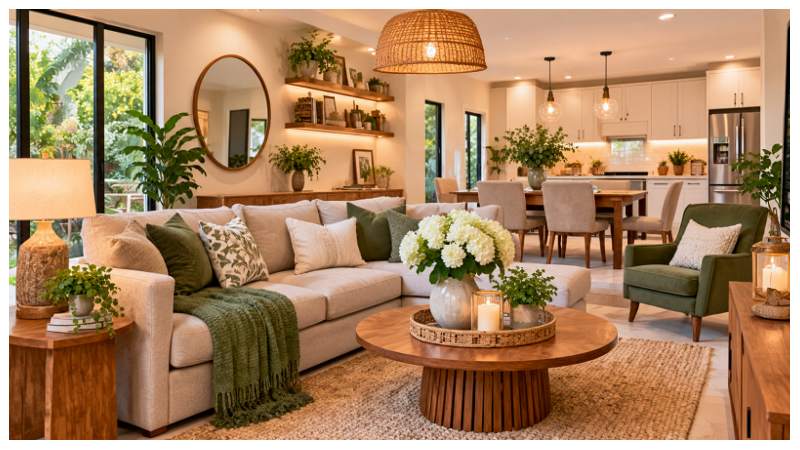
A welcoming atmosphere emerges when every design element blends harmoniously to create a balanced, inviting space. Soft textiles, warm lighting, natural materials, and suitable furniture can make a room feel inviting.
Layering is an effective approach. Combine a comfortable rug with cushions, curtains, and a throw blanket to introduce depth and texture. Indoor plants can also bring a natural touch when the available light and conditions suit the chosen variety.
Keep pathways clear and arrange seating so people can communicate comfortably. A stylish room should support real activities rather than exist only for appearance.
4. Budget-Friendly Home Improvement Tips
Improving your home does not have to place pressure on your finances. Careful planning and creative reuse can produce worthwhile changes while helping you avoid unnecessary spending.
Refreshing Your Home on a Budget
Before starting a project, identify the biggest issue affecting the space. Perhaps the room feels crowded, the lighting is dull, or the walls look tired. Addressing one clear problem is often more effective than buying several unrelated decorations.
Rearrange existing furniture, wash curtains, clean lampshades, and reorganize shelves before considering new purchases. Sometimes, a room looks refreshed simply because its contents are arranged more thoughtfully.
Set a spending limit for each project and compare options before buying supplies. Prioritize improvements that increase comfort, usability, or durability.
Affordable DIY Projects
Do-it-yourself projects offer opportunities to personalize your surroundings. You could create a small wall gallery, decorate storage boxes, install suitable removable hooks, or make a simple centerpiece from materials you already own.
Choose projects that match your abilities and available tools. Read instructions carefully before using paints, adhesives, power tools, or mounting equipment.
For electrical work, gas connections, structural changes, and other potentially dangerous tasks, consult a qualified professional. Saving money should never come at the expense of safety.
Giving Old Furniture a New Look
Furniture can often be improved without replacing it. A sturdy table may look more appealing after careful cleaning, while a chair can gain a fresh appearance through suitable upholstery or a new cushion.
Wooden furniture may benefit from an appropriate finish when its condition allows. Before painting or sanding, check the material, prepare the surface properly, and follow the product’s safety guidance.
You can also change the arrangement of existing furniture to create a different visual effect. Reusing quality pieces saves resources and allows you to invest in other household priorities.
5. Smart Tips for Every Room
Every room serves a different purpose, so improvements should reflect the activities that take place there. Practical arrangements help each area work efficiently without sacrificing comfort.
Living Room Styling Ideas
Begin by identifying the living room’s main function. It might be used for relaxing, entertaining guests, watching television, or spending time with family.
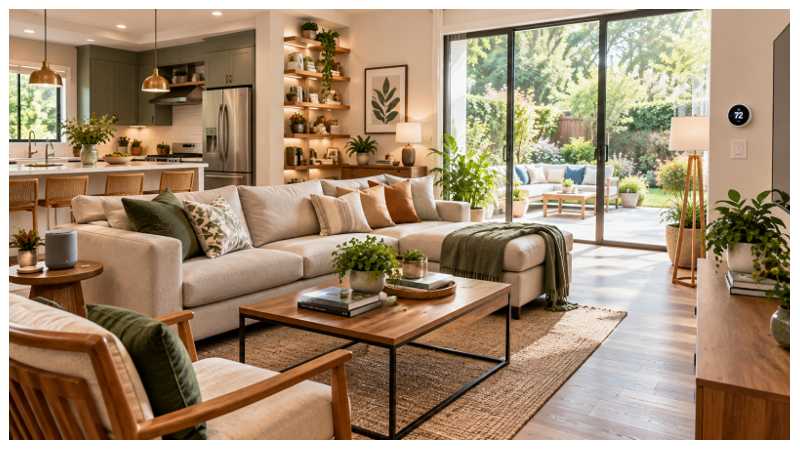
Arrange seating to support conversation and maintain clear walking paths. Use a rug to visually connect the seating area, and position lamps where additional light is needed.
Limit unnecessary decorations on tables and shelves. A few coordinated accessories can create a more balanced appearance than numerous objects competing for attention.
Bedroom Comfort and Organization
A bedroom should support rest and provide convenient storage. Keep the bed area uncluttered, use bedside storage for essential belongings, and place everyday clothing where it can be reached easily.
Choose bedding that feels comfortable in your local climate. Blackout curtains may help reduce outside light, while soft bedside lighting can create a relaxing atmosphere before sleep.
Avoid turning the bedroom into a storage area for unrelated items. Regularly remove objects that do not belong there to preserve a peaceful environment.
Kitchen Storage and Efficiency
An efficient kitchen reduces unnecessary movement during meal preparation. Group cooking utensils, ingredients, dishes, and cleaning supplies according to their purpose.
Keep frequently used items close to the areas where they are needed. Store heavier cookware on stable, accessible shelves and label containers when their contents are difficult to identify.
Clean spills promptly, check food dates, and arrange older ingredients where they will be noticed first. Store food safely and keep cleaning products separate from ingredients and utensils.
Bathroom Organization Tips
Bathrooms benefit from moisture-aware storage and simple daily maintenance. Use suitable baskets or shelves to organize toiletries, towels, and personal-care products.
Keep frequently used items accessible while storing occasional-use products elsewhere. Regularly check containers for leaks or expired contents, and discard items according to their labels.
Ventilate the room when possible to reduce excess moisture. Dry wet surfaces, address leaks promptly, and use storage materials designed for humid environments.
6. Energy-Saving Tips for Your Home
Using energy thoughtfully can reduce waste and may lower household bills. The most useful changes are practical habits that do not make daily life uncomfortable.
Reducing Electricity Consumption
Switch off lights and appliances when they are not needed, particularly in unused rooms. Unplug devices that continue drawing standby power when appropriate, or use a suitable switched power strip.
Use heating and cooling systems sensibly, keeping doors and windows closed when the system is operating. Clean appliance filters according to the manufacturer’s instructions to support efficient performance.
Review your electricity usage periodically to identify equipment or habits that contribute to unnecessary consumption.
Making Better Use of Natural Light
Daylight can brighten rooms and reduce the need for artificial lighting during suitable hours. Keep windows clean and avoid placing bulky objects directly in front of them.
Light-colored curtains can help maintain privacy while allowing some daylight through. Mirrors positioned thoughtfully may distribute light visually across a room.
During hot weather, use appropriate blinds or curtains to limit excessive heat gain. The best approach balances natural light with indoor comfort and privacy.
Choosing Energy-Efficient Appliances
When replacing an appliance, compare its energy rating, expected running costs, size, and features. An appliance that suits your household’s actual needs may be more practical than an oversized model.
Use washing machines and dishwashers with appropriate full loads, provided the manufacturer’s guidance allows it. Maintain refrigerators, air conditioners, and other equipment according to their instructions.
Consider the total cost of ownership rather than focusing only on the purchase price. Efficient appliances may cost more initially but can offer savings over time.
7. Easy Cleaning and Maintenance Tips
Regular maintenance helps preserve household surfaces, protect equipment, and identify small problems before they become more serious.
Simple Daily Cleaning Habits
Build short cleaning tasks into your regular routine. Make the bed, return objects to their places, wipe kitchen counters after preparing food, and remove rubbish when necessary.
Keep a small checklist for recurring tasks so that nothing important is repeatedly overlooked. Share suitable responsibilities among household members to make the workload manageable.
Consistency matters more than perfection. A few minutes of attention each day can reduce the effort required for larger cleaning sessions.
Keeping Kitchen and Bathroom Surfaces Fresh
Kitchen and bathroom surfaces need cleaning suited to their materials and uses. Follow the manufacturer’s guidance for countertops, tiles, sinks, fixtures, and flooring.
In the kitchen, clean food-contact surfaces carefully and avoid using products that are unsuitable for those areas. In the bathroom, remove soap residue and keep frequently touched surfaces clean.
Never mix bleach with ammonia, acids, or other cleaning products. Use appropriate ventilation and protective equipment whenever the product label recommends them.
Preventing Common Household Problems
Inspect your home periodically for dripping taps, damaged seals, loose handles, blocked drains, and unusual appliance noises. Address minor issues early when it is safe to do so.
Check smoke alarms and other safety devices according to their instructions. Keep exits clear and know where essential household shutoffs are located.
For suspected gas leaks, serious electrical faults, structural damage, or significant water leaks, seek professional assistance promptly instead of attempting an uncertain repair.
8. Smart Home Technology Ideas
Technology can simplify household routines when it solves a genuine problem. You do not need to automate everything; a few carefully chosen devices may provide sufficient convenience.
Useful Smart Devices for Everyday Life
Depending on your needs, useful options may include smart plugs, motion sensors, video doorbells, robot vacuums, and connected thermostats. Before purchasing anything, check compatibility with your existing equipment and home network.
Think about how frequently you will use the device and whether its features justify the cost. A basic product that performs one task reliably may be more valuable than a complicated system you rarely use.
Review privacy settings, update device software, and use strong, unique passwords for connected accounts.
Smart Lighting and Temperature Control
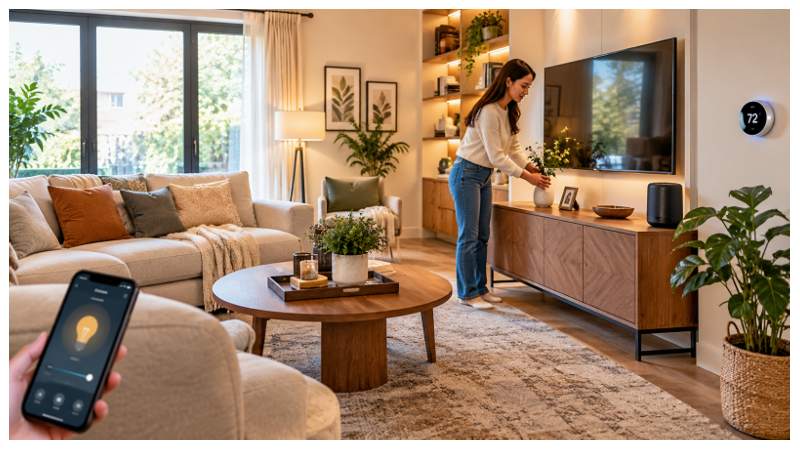
Smart bulbs and compatible switches can provide convenient control over lighting. Timers and schedules can help lights operate when needed, while adjustable brightness can support different activities throughout the day.
Smart thermostats, where compatible with the home’s heating or cooling system, may help manage temperature schedules. Set comfortable levels and review energy use to understand whether automation is delivering real benefits.
Always confirm that smart switches, bulbs, and thermostats are suitable for your electrical system and follow installation guidance.
Improving Home Convenience and Security
Connected sensors and doorbell cameras can help monitor selected areas of a property. Choose devices that meet your security needs and place them with respect for other people’s privacy.
Secure your home router, install recommended updates, and disable features you do not use. If a device stores recordings or personal information, review how that information is accessed and retained.
Technology should support sensible security habits rather than replace basic precautions such as locking doors and keeping spare keys secure.
9. Small Space Living Tips
A compact home can feel comfortable and practical when every area serves a clear purpose. Smart planning helps prevent limited space from becoming an everyday frustration.
Making Small Rooms Look Bigger
Use a consistent color scheme to create visual continuity between walls, furniture, and accessories. Mirrors can introduce a sense of depth, while adequate lighting helps reduce dark corners.
Avoid placing too many large objects in one area. Leave some surfaces and floor space open so the room feels less crowded.
Choose curtains and decorations that complement the room’s proportions instead of overwhelming them.
Choosing Space-Saving Furniture
Furniture with built-in storage can help make better use of limited floor space. Consider beds with drawers, nesting tables, folding desks, or ottomans with storage compartments.
Measure doorways, walkways, and available floor area before purchasing new furniture. A piece may look attractive in a showroom but become inconvenient if it restricts movement at home.
Choose multipurpose furniture when it genuinely supports your routine rather than adding features you will rarely use.
Using Vertical Storage Effectively
Walls provide valuable storage opportunities in small homes. Suitable shelves, wall-mounted organizers, and hooks can free up desks, counters, and floors.
Place heavier items on properly secured shelves and follow weight limits. Keep frequently used belongings within comfortable reach, while storing occasional-use items higher up when safe.
Vertical organization is especially helpful in kitchens, home offices, entryways, and laundry areas where surface space is often limited.
10. Creating a Comfortable Lifestyle at Home
A well-designed home should make everyday life easier, not create additional work. The best environment combines practical organization with personal comfort.
Building a Relaxing Home Environment
Create a small area for activities that help you unwind, such as reading, listening to music, or enjoying a quiet drink. Comfortable seating, gentle lighting, and a tidy surface can make even a modest corner feel special.
Reduce unnecessary noise where possible and choose décor that feels pleasant rather than overwhelming. Personal comfort is more important than following every popular design trend.
Keeping Your Space Functional and Beautiful
Balance appearance with everyday use. Keep frequently used objects accessible, select durable materials for busy areas, and leave enough space for comfortable movement.
Before decorating, consider who uses each room and what activities happen there. Families with children, people working from home, and households with pets may need different arrangements.
A functional home can still feel beautiful when colors, materials, and accessories are selected with care.
Developing Simple Everyday Habits
Small habits help maintain the improvements you make. Return items after use, spend a few minutes clearing surfaces, and deal with minor maintenance concerns before they grow.
Review your storage systems occasionally to ensure they still match your needs. As routines change, rearrange spaces rather than forcing yourself to use an inconvenient setup.
The aim is to develop a home that works naturally with your lifestyle.
11. Frequently Asked Questions About DrHomey Handy Tips
What Are the Best Smart Home Tips for Beginners?
Start with straightforward improvements such as decluttering one room, creating practical storage areas, improving lighting, and establishing a short cleaning routine. These changes require little investment and help you identify what your home needs most.
How Can I Improve My Home on a Small Budget?
Rearrange furniture, reuse existing decorations, refresh suitable surfaces, and organize belongings before purchasing anything new. Focus your budget on improvements that solve a clear problem or make everyday activities more comfortable.
Which Home Organization Tips Save the Most Space?
Decluttering is often the best first step because it reduces the number of items competing for storage. Afterward, consider under-bed containers, wall shelves, drawer dividers, and furniture with built-in storage. Choose solutions that fit your available space.
How Can I Make My Home More Energy-Efficient?
Switch off unused lights, use daylight when practical, maintain appliances, and select energy-efficient replacements when needed. Manage heating and cooling carefully, and review your energy bills to identify opportunities for reducing waste.
12. Conclusion: Make Home Living Smarter with DrHomey Handy Tips
A better home does not require a large renovation budget or a collection of expensive gadgets. It begins with practical decisions that make your surroundings easier to maintain, more comfortable to use, and more reflective of your personal style.
DrHomey Handy Tips offers a useful approach to home improvement by bringing together organization, decorating, cleaning, energy conservation, technology, and everyday lifestyle ideas. Each area provides opportunities to make small changes that support a smoother routine.
Start with Simple Home Improvements
Choose one task that would make an immediate difference, such as organizing a cupboard, refreshing a room, or fixing a minor maintenance issue. Completing manageable projects builds momentum and makes future improvements less intimidating.
Choose Ideas That Fit Your Lifestyle
Every household has different priorities, space limitations, and budgets. Select suggestions that suit your daily habits instead of copying every trend or purchasing products you do not need.
Create a More Comfortable and Organized Home
The most successful home improvements are those you can maintain over time. With thoughtful planning, consistent habits, and creative use of available resources, you can build a home that feels organized, welcoming, and practical. Let DrHomey Handy Tips inspire your next small change and help you make everyday living smarter.