
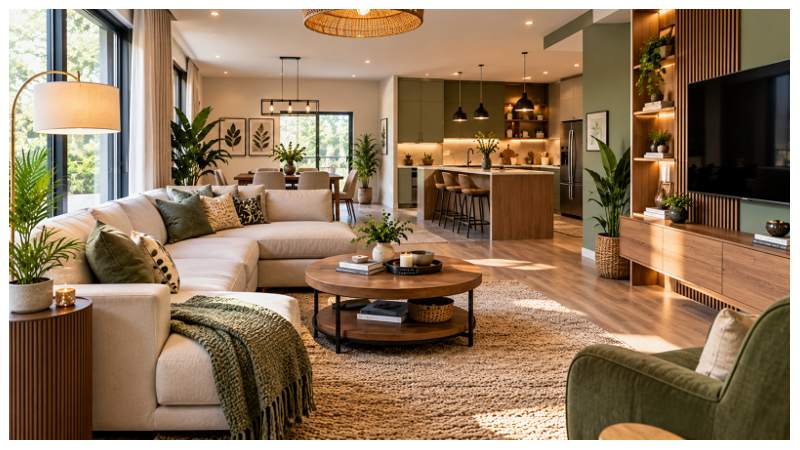
A well-designed home is more than an attractive collection of furniture and decorations. It is a personal environment where comfort, creativity, functionality, and individual style come together. Modern interior design transforms ordinary rooms into inviting, visually appealing spaces where thoughtful style meets everyday comfort and functionality. With thoughtful planning and the right design choices, even a modest home can feel welcoming, organized, and sophisticated.
Interior Design Drhomey: Modern Home Ideas explores practical ways to improve different areas of your home without relying on expensive renovations. From selecting suitable colors and arranging furniture to introducing smart technology and sustainable materials, these ideas can help homeowners create interiors that reflect their personalities and lifestyles.
1. What Is Interior Design Drhomey?
Interior Design Drhomey represents an approach to home styling that emphasizes creative decoration, practical layouts, modern aesthetics, and comfortable living. It encourages homeowners to make informed design decisions based on their available space, personal preferences, and budget.
The purpose is to develop a distinctive home aesthetic rather than blindly imitate the latest decorating fashions. Instead, it is to create an environment where every room has a clear purpose and every decorative element contributes to the overall atmosphere. Whether you prefer minimalist interiors, natural textures, or contemporary furniture, thoughtful design can help bring your vision to life.
Why Modern Interior Design Matters
Modern interior design helps homes adapt to changing lifestyles. Living spaces may need to accommodate remote work, family gatherings, relaxation, entertainment, and personal hobbies. A carefully planned interior makes these activities easier while improving the appearance of the home.
Good design can also reduce clutter, improve lighting, make smaller rooms feel more spacious, and encourage better organization. By choosing durable materials and functional furniture, homeowners can create spaces that remain useful and attractive for years.
How to Create a Stylish and Comfortable Home
Start by identifying what works well in your existing space and what needs improvement. Consider your daily routines, storage requirements, preferred colors, and available budget before purchasing new items.
Choose comfortable furniture, maintain clear walking paths, and combine different lighting sources to create a welcoming atmosphere. Add personal touches through artwork, family photographs, plants, and meaningful accessories. A successful home design should look appealing while making everyday activities easier.
2. Understanding Modern Interior Design
Modern interior design emphasizes simplicity, purposeful arrangements, clean lines, and a balanced combination of materials. Rather than filling rooms with unnecessary decorations, this approach gives attention to proportion, texture, lighting, and the practical use of space.
Key Features of Modern Home Design
Modern interiors often include uncluttered surfaces, functional furniture, carefully selected colors, and open layouts. Natural materials such as wood, stone, linen, and cotton introduce warmth, while glass and metal can provide a more contemporary appearance.
Storage is another important feature. Cabinets, shelves, and multifunctional furniture help keep everyday belongings organized without sacrificing visual appeal.
Popular Interior Design Styles
Several styles can inspire a modern home. Minimalist interiors prioritize simplicity and essential furnishings. Scandinavian design combines light colors, natural materials, and comfortable textures. Industrial interiors feature exposed materials, metal details, and stronger contrasts.
Contemporary design allows greater flexibility by incorporating current furniture shapes, finishes, and decorative trends. Traditional elements can also work beautifully in modern spaces when paired with updated lighting, simpler accessories, and balanced colors.
Balancing Beauty and Functionality
A room should not sacrifice comfort simply to achieve a particular appearance. For example, an elegant sofa must also provide suitable seating, while a decorative dining table should accommodate the household’s needs.
Before adding an item, consider its purpose, size, maintenance requirements, and relationship to the surrounding furniture. Practical decisions help create interiors that remain attractive without becoming difficult to use.
Creating a Consistent Look Throughout Your Home
A beautifully cohesive home isn’t about making every room a replica of the next, but about letting each space express its own character while sharing a common design language. Instead, create visual connections through repeated colors, materials, finishes, or decorative details.
For example, natural wood may appear in the living room, kitchen, and bedroom, while similar metal finishes connect lighting fixtures throughout the house. These subtle repetitions create harmony while allowing each room to maintain its own character.
3. Interior Design Drhomey: Essential Design Tips
Successful interior design often begins with simple improvements rather than expensive projects. Careful observation and a few thoughtful adjustments can make a noticeable difference in how a room looks and functions.
Simple Ideas to Refresh Your Home
Begin by rearranging furniture, removing unnecessary clutter, and improving the placement of decorative accessories. Fresh curtains, new cushion covers, a carefully positioned mirror, or a different lampshade can refresh a room without requiring a complete makeover.
You can also introduce natural elements through wooden accessories, indoor plants, woven baskets, or textured fabrics. These additions create visual interest without overwhelming the space.
Combining Style With Practicality
Choose decorations that complement your lifestyle. If you have children or pets, durable fabrics and easy-to-clean surfaces may be more suitable than delicate materials. In frequently used rooms, prioritize comfortable seating and accessible storage.
A beautiful interior should support your everyday routine. Practicality becomes especially important in kitchens, bathrooms, entryways, and other areas that experience regular use.
Making Small Changes for a Big Impact
Focus on the details people notice first. Improved lighting, coordinated colors, attractive wall art, and well-arranged furniture can change the entire atmosphere of a room.
Before adding something new to your home, take a fresh look at the pieces you already have and uncover their untapped potential. Rearranging existing pieces or displaying forgotten accessories may provide the refresh you need at little or no cost.
Avoiding Common Decorating Mistakes
Avoid purchasing furniture before measuring your room. Oversized pieces can restrict movement, while very small accessories may look disconnected in a spacious area.
One design pitfall is overcrowding a room with decorative accents until nothing truly catches the eye. Instead, curate a handful of pieces with character and meaning, allowing each one room to breathe and make its own statement. Planning your layout and color palette before shopping also helps prevent unnecessary expenses.
4. Crafting a Color Palette That Brings Your Home to Life
Color influences the atmosphere of a room and affects how furniture, lighting, and accessories appear together. A carefully selected palette can make interiors feel calm, energetic, spacious, or intimate.
Popular Colors for Modern Interiors
White, beige, warm gray, soft green, muted blue, and earthy brown are popular choices for contemporary homes. These shades work well with natural materials and can be adapted to many decorating styles.
You do not need to use every fashionable color. Select shades that complement your existing furnishings and create the mood you want for each room.
Using Neutral Shades Effectively
Neutral colors provide a flexible foundation for interior design. Cream walls, beige upholstery, or light gray finishes can make a space feel balanced without competing with decorative details.
To prevent a neutral room from looking flat, combine different textures. A soft rug, wooden furniture, linen curtains, and woven accessories add depth even when their colors are similar.
Adding Accent Colors for Personality
Accent colors introduce character without requiring a complete redesign. Consider olive-green cushions, navy-blue artwork, terracotta planters, or a distinctive armchair.
Use stronger shades selectively so they remain noticeable. Repeating an accent color in two or three places can help the room feel coordinated rather than overly colorful.
Creating Color Harmony Between Rooms
Choose a small group of complementary colors and carry them through the home in different proportions. For example, warm white may dominate the living room, while muted green appears more prominently in the bedroom.
This approach creates a connected appearance without making every room identical.
5. Modern Living Room Design Ideas
The living room often serves as a gathering place for relaxation, conversation, and entertainment. Its design should balance comfortable seating, useful lighting, and enough open space for movement.
Choosing Comfortable and Stylish Furniture
Select sofas and chairs that fit the room’s dimensions and provide suitable support. Neutral upholstery offers flexibility, while a distinctive chair or coffee table can introduce personality.
Consider durable fabrics and practical surfaces if the room receives frequent use.
Creating an Attractive Focal Point
A focal point gives the eye a natural place to rest. It might be a fireplace, a large artwork, a feature wall, or a carefully arranged entertainment unit.
Arrange nearby furniture to complement the focal point instead of competing with it.
Decorating Walls With Art and Mirrors
Artwork can express personal interests and introduce color. Mirrors reflect light and may make smaller rooms feel more open when positioned thoughtfully.
Choose pieces that suit the scale of the wall. A single large artwork can sometimes create a cleaner appearance than many small decorations.
Arranging Furniture for Better Space and Flow
Position seating to encourage conversation and maintain clear pathways. Use a rug to define the seating area, making sure the furniture arrangement feels connected.
Avoid blocking doors, windows, or access to frequently used areas.
6. Modern Bedroom Interior Design
A bedroom should provide a comfortable environment for rest while reflecting personal taste. Soft textures, controlled lighting, and organized storage help create a peaceful atmosphere.
Creating a Relaxing Bedroom Atmosphere
Reduce unnecessary clutter and keep frequently used items within easy reach. A simple layout with comfortable bedding and carefully selected accessories can make the room feel more restful.
Selecting Bedding and Soft Furnishings
Choose breathable bedding appropriate for your climate and personal preferences. Layer sheets, a duvet or comforter, cushions, and a throw to create texture without overcrowding the bed.
Curtains and rugs can soften the room and improve its overall appearance.
Choosing Suitable Bedroom Colors
Soft beige, muted green, pale blue, and warm gray are useful choices for a calm bedroom. If you prefer stronger colors, introduce them through artwork, cushions, or a feature wall.
Using Lighting to Improve Comfort
Combine general lighting with bedside lamps or adjustable reading lights. Dimmable fixtures can help create a softer atmosphere in the evening, while task lighting supports reading and other activities.
7. Contemporary Kitchen Design Ideas
A modern kitchen should support efficient food preparation while remaining visually organized. Good design considers storage, lighting, durable surfaces, and convenient access to frequently used items.
Combining Style With Kitchen Functionality
Arrange cooking, preparation, and cleaning areas to reduce unnecessary movement. Keep everyday utensils and ingredients accessible while storing occasional-use equipment elsewhere.
Modern Cabinet and Countertop Ideas
Cabinet fronts with simple lines can create a clean appearance. Depending on the existing kitchen, repainting cabinets or replacing handles may be more affordable than installing an entirely new kitchen.
Choose countertop materials according to durability, maintenance, appearance, and budget.
Improving Kitchen Storage
Use drawer organizers, shelf dividers, and pull-out storage where suitable. Group similar items together so cooking equipment is easier to find.
Keep frequently used counters as clear as possible to create additional workspace.
Choosing Decorative Accessories for the Kitchen
Introduce personality with attractive containers, a small herb planter, a practical fruit bowl, or coordinated tea towels. Keep accessories away from areas where they interfere with food preparation or cleaning.
8. Bathroom Interior Design Ideas
Bathrooms benefit from a clean layout, practical storage, suitable lighting, and moisture-resistant materials. Even small changes can make the space feel more polished.
Creating a Clean and Modern Bathroom
Maintain clear counters and choose a consistent finish for visible fixtures where possible. Regular cleaning and good ventilation help preserve the bathroom’s appearance.
Choosing Stylish Fixtures and Mirrors
A well-proportioned mirror can improve both appearance and everyday usability. Modern taps, cabinet handles, and shower fittings can refresh the room when they suit the existing plumbing and layout.
Using Smart Storage Solutions
Install shelves or cabinets to organize toiletries, towels, and cleaning supplies. Use wall-mounted storage when appropriate to free up valuable counter space.
Adding Elegant Textures and Accessories
Coordinated towels, a simple bath mat, attractive dispensers, and a small moisture-tolerant plant can add warmth. Choose accessories that can withstand the bathroom environment and do not obstruct movement.
9. Furniture Selection and Placement
Furniture affects the appearance, comfort, and usability of every room. Choosing suitable pieces begins with understanding the available space and the activities the room needs to support.
Choosing Furniture That Fits Your Space
Measure the room, doorways, and furniture before purchasing large items. Consider both the furniture’s dimensions and the space needed to move around it comfortably.
Combining Comfort With Modern Style
Look for furniture that combines suitable support with a design that complements your interior. Simple shapes can look sophisticated when paired with quality materials and carefully selected finishes.
Using Multifunctional Furniture
Storage ottomans, extendable dining tables, sofa beds, and desks with drawers can provide extra functionality. These options are particularly useful in compact homes where each item needs to serve a clear purpose.
Arranging Furniture to Improve Movement
Keep main walkways open and avoid placing furniture where it blocks doors or drawers. In shared spaces, arrange seating to encourage conversation while preserving convenient access to other areas.
10. Lighting Ideas for Modern Homes
Lighting changes how a room looks and how comfortably it can be used. A combination of light sources provides more flexibility than relying on a single ceiling fixture.
Understanding Ambient, Task, and Accent Lighting
Ambient lighting provides general illumination. Task lighting supports activities such as reading, cooking, or working, while accent lighting highlights artwork, shelves, and architectural details.
Using all three types where appropriate creates a balanced environment.
Choosing Modern Ceiling Lights
Pendant lights, flush-mounted fixtures, and recessed lighting can complement different interior styles. Choose fixtures that suit the room’s size and provide appropriate illumination.
Using Floor Lamps and Table Lamps
Floor and table lamps add light at different heights and can make living areas feel more inviting. Place them near seating, reading areas, or darker corners.
Maximizing Natural Light
Keep windows clean and avoid blocking them with oversized furniture. Light curtains can soften daylight while preserving brightness, and mirrors may help distribute available light throughout a room.
11. Wall Décor and Decorative Accessories
Walls and accessories help make a home feel personal. Thoughtful displays can introduce color, texture, and character without filling every available surface.
Creating a Stylish Gallery Wall
Combine photographs, prints, and artwork using a consistent frame style or color palette. Arrange the pieces on the floor before hanging them to test spacing and balance.
Choosing Artwork for Modern Interiors
Select artwork that suits your taste and complements the room’s colors. Consider the size of the wall and the height at which the artwork will be viewed.
Decorating With Mirrors
Mirrors can reflect daylight and create a greater sense of openness. Place them where they reflect an attractive view or a useful light source.
Using Cushions, Rugs, and Curtains
These accessories introduce softness and connect different colors within a room. Mix textures carefully, and avoid using so many patterns that the space feels visually crowded.
12. Interior Design Ideas for Small Spaces
Small rooms can feel comfortable and attractive when furniture, storage, and color are chosen carefully. The objective is to use available space efficiently without making the room feel cramped.
Making Small Rooms Feel Larger
Choose appropriately sized furniture, maintain clear pathways, and avoid unnecessary decorations. Light wall colors and an uncluttered layout can help a compact room feel more open.
Choosing Space-Saving Furniture
Consider nesting tables, foldable desks, storage beds, and compact dining furniture. Select pieces that meet your needs without occupying more floor space than necessary.
Using Mirrors to Create Visual Space
A well-placed mirror can reflect daylight and visually expand a room. Choose a position that contributes to the overall layout rather than simply adding another decorative object.
Maximizing Vertical Storage
Wall shelves, tall cabinets, and hooks make use of vertical space. Keep frequently used items accessible and place less-used belongings in higher storage areas when safe.
13. Budget-Friendly Modern Interior Design
A stylish home does not require replacing everything. Setting priorities and improving existing features can deliver meaningful results while keeping spending under control.
Updating Your Home Without Major Renovations
Refresh paint, change cabinet handles, update curtains, or rearrange furniture before considering larger projects. Focus first on areas that affect daily comfort or make the room feel noticeably outdated.
Refreshing Old Furniture
Clean wooden furniture, repair loose fittings, or repaint suitable pieces to give them a new appearance. Test finishes on an inconspicuous area and follow product instructions.
Decorating With Affordable Accessories
Cushion covers, inexpensive frames, planters, and lampshades can introduce new colors and textures. Choose a few items that work together rather than purchasing many unrelated decorations.
Trying Simple DIY Home Décor Projects
Create a gallery wall, refinish a small table, sew cushion covers, or make decorative storage containers. Use appropriate tools and follow safety precautions, especially when painting, drilling, or working with electrical fixtures.
14. Smart Home Features and Modern Design
Smart technology can make a home more convenient when it is selected to meet specific needs. Devices should support the interior rather than dominate its appearance.
Integrating Smart Lighting Systems
Smart bulbs and switches can provide adjustable brightness, scheduled lighting, and convenient controls. Check compatibility with existing fixtures and electrical systems before purchasing equipment.
Using Technology to Improve Comfort
Smart thermostats, connected sensors, and automated window coverings may help manage comfort and daily routines. Choose devices that suit your home and understand how their data and permissions are handled.
Creating a Functional Smart Living Space
Start with one useful improvement, such as lighting control or a programmable thermostat. Expand gradually instead of purchasing multiple devices that offer overlapping functions.
Balancing Technology With Interior Style
Conceal cables where safe, choose unobtrusive devices, and keep control panels organized. Technology should make everyday life easier while allowing the room’s design to remain the main focus.
15. Sustainable and Eco-Friendly Interior Design
Sustainable design encourages homeowners to make choices that reduce waste and support long-term use. It can also help create interiors that feel natural and welcoming.
Choosing Natural and Sustainable Materials
Consider responsibly sourced wood, durable textiles, and materials with clear information about their environmental impact. Choose finishes that suit the room’s use and are practical to maintain.
Reusing Existing Furniture
Repairing, repainting, or repurposing furniture can reduce waste and save money. Older pieces may also provide character that mass-produced decorations cannot easily reproduce.
Decorating With Indoor Plants
Plants add natural color and texture. Select varieties according to the available light, humidity, and time you can dedicate to their care.
Improving Energy Efficiency at Home
Use efficient lighting, seal unwanted drafts where appropriate, and select appliances suited to your needs. Improvements to insulation, heating, cooling, or electrical systems may require qualified professional advice.
16. Common Interior Design Mistakes to Avoid
Even attractive furniture and decorations can look out of place when the room lacks a clear plan. Recognizing common mistakes helps prevent unnecessary purchases and disappointing results.
Overcrowding Rooms With Furniture
Too many large pieces restrict movement and make cleaning difficult. Keep the furniture that serves a clear purpose and leave enough open space for comfortable use.
Using Too Many Colors and Patterns
Combining numerous competing shades and prints can make a room feel unsettled. Establish a main palette and introduce variety through a limited number of complementary accents.
Ignoring Lighting and Room Proportions
A beautiful room may still feel uncomfortable if it is poorly lit or filled with furniture that is too large. Consider ceiling height, window placement, and the scale of every major item.
Following Trends Without Considering Practical Needs
Popular designs can provide inspiration, but not every trend suits every household. Prioritize comfort, maintenance, budget, and personal preferences over temporary fashion.
17. How to Maintain a Stylish Modern Home
A well-designed interior needs regular attention to remain attractive and functional. Simple routines can prevent clutter and help furniture and accessories last longer.
Keeping Rooms Organized
Return everyday items to their designated places and review storage areas regularly. Small organizing habits reduce the need for major cleaning sessions.
Refreshing Décor With Small Changes
Rotate cushions, change a few accessories, or display seasonal plants to create variety. You can refresh a room without replacing its main furniture.
Combining Storage With Style
Use attractive baskets, closed cabinets, and coordinated organizers to keep belongings accessible but out of sight. Choose storage that suits the room’s design and actual capacity needs.
Maintaining a Consistent Interior Look
Keep an eye on colors, finishes, and materials as you introduce new items. Regular cleaning, timely repairs, and thoughtful purchases help preserve a cohesive appearance over time.
18. Conclusion
Modern interior design is about creating a home that combines beauty, comfort, organization, and practical functionality. The most successful spaces are not necessarily the most expensive; they are the ones that reflect the people who live in them and support their everyday needs.
These Interior Design Drhomey: Modern Home Ideas offer a starting point for improving your home through thoughtful color choices, suitable furniture, layered lighting, creative storage, and personal decorative details. Begin with manageable changes, reuse what you already own, and plan larger improvements around your priorities and budget.
By focusing on quality, balance, and purposeful design, you can create interiors that feel welcoming today and remain useful in the years ahead. Let your home reflect your personality while providing a comfortable setting for work, relaxation, and time with family.
19. Frequently Asked Questions (FAQs)
What Is Interior Design Drhomey?
Interior Design Drhomey refers to practical ideas for styling and organizing modern homes through thoughtful layouts, suitable colors, functional furniture, and personal décor.
How Can I Make My Home Look Modern?
Start by decluttering, improving lighting, choosing a coordinated color palette, and selecting furniture that fits your space. Simple hardware changes and updated accessories can also make a noticeable difference.
How Can I Improve My Interior Design on a Budget?
Rearrange existing furniture, refresh suitable pieces with paint, change cushion covers, add affordable artwork, and improve storage. Plan purchases before shopping to avoid unnecessary spending.
Which Colors Work Best in Modern Homes?
White, beige, warm gray, muted green, and soft blue are versatile options. The best choice depends on the room’s natural light, existing furnishings, and the atmosphere you want to create.
How Can I Make a Small Room Look Bigger?
Use appropriately sized furniture, keep pathways clear, reduce clutter, and make good use of vertical storage. Light colors and strategically placed mirrors can also help a small room feel more open.