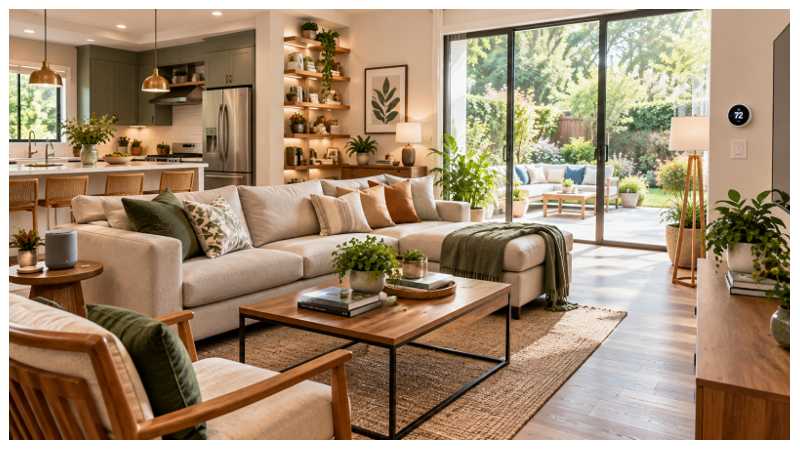
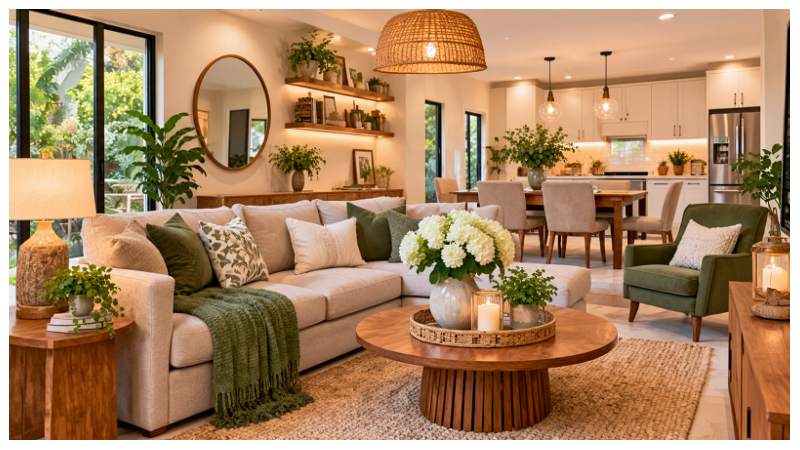
A truly beautiful home is defined by thoughtful design and personal touches, not costly furniture or lavish decorations.. It is created through thoughtful choices, creative arrangements, and details that make everyday living more comfortable. The right colors, lighting, textures, and accessories can transform an ordinary room into a welcoming space that reflects your personality.
Home decoration also involves finding a balance between appearance and practicality. A room should look attractive while supporting the activities that take place there. Whether you live in a compact apartment, a family house, or a spacious property, simple decorating techniques can help you make better use of your surroundings.
Tips Drhomey: Creative Home Decoration Tips explores practical ways to refresh your interiors, organize your rooms, select suitable furniture, and create attractive living spaces without unnecessary spending. From modern decorating styles to natural materials and small-space solutions, these ideas can help you develop a home that feels personal, comfortable, and visually balanced.
Understanding Your Home Decoration Style
Choosing a Style That Reflects Your Personality
Your home should represent your preferences rather than simply copying a design trend. Some people enjoy clean, modern interiors, while others prefer traditional furniture, colorful accessories, or natural textures.
Begin by collecting inspiration from rooms, colors, and materials that appeal to you. Look for common features among your favorite examples. These patterns can help you identify a decorating style that feels authentic.
Exploring Modern Interior Design
Modern interiors often feature simple shapes, practical furniture, uncluttered surfaces, and carefully selected accessories. Neutral backgrounds, natural materials, and balanced lighting can make rooms feel open and organized.
You do not need to remove every decorative item to achieve a modern appearance. A few meaningful accessories, a distinctive chair, or an attractive piece of artwork can provide character without overwhelming the space.
Mixing Traditional and Contemporary Elements
Combining old and new pieces can give a home a distinctive appearance. For example, a traditional wooden cabinet can complement a modern sofa, while a contemporary light fixture can refresh a classic dining room.
The key is to create a connection between different elements. Repeat a color, material, or finish throughout the room so that contrasting styles feel intentional rather than disconnected.
Creating a Consistent Look Throughout Your Home
A harmonious home doesn’t mean every room must have the same appearance or decorating style. Instead, use a consistent selection of colors, materials, and design details to create a natural transition between spaces.
For example, wooden finishes, soft neutral walls, and dark metal accents can appear in several rooms while allowing each area to maintain its own character.
Tips Drhomey: Creative Home Decoration Tips
Simple Ideas for Transforming Any Room
Start with the features that influence a room’s appearance most. Rearranging furniture, replacing outdated cushions, introducing a new rug, or displaying attractive artwork can produce a noticeable improvement.
Take a look at the items you already have before deciding to purchase anything new. Moving a lamp from one room to another or displaying existing accessories differently may provide the refresh you want.
Combining Creativity With Practical Design
Decoration should improve how a room looks without making it difficult to use. A decorative basket can organize blankets, a stylish bench can provide seating and storage, and an attractive tray can keep small items together.
Choose accessories that contribute to the room’s purpose. This design philosophy blends lasting visual appeal with practical features, keeping living spaces attractive, comfortable, and effortless to maintain.
Making Small Changes for a Big Impact
Even the tiniest decorative touches can transform a room’s character, shaping its mood, warmth, and overall visual harmony.. Updated cabinet handles, coordinated picture frames, fresh curtains, and carefully placed lighting can make an older interior feel more current.
Focus on one improvement at a time. This allows you to see what works before committing to additional changes.
Decorating Your Home Without Overspending
Establish a budget before purchasing decorative items. Separate essential improvements from optional accessories and prioritize changes that solve visible problems.
A room with poor lighting may benefit more from an additional lamp than from new ornaments. Similarly, better furniture placement may improve a cramped space more effectively than buying new furniture.
Choosing the Right Colors for Your Home
Selecting Colors for Different Rooms
Choose colors according to the atmosphere and function you want each room to provide. Soft, soothing hues can create a peaceful bedroom atmosphere, whereas living rooms offer more freedom to blend neutral tones with eye-catching accent colors.
Consider existing flooring, furniture, and natural light before selecting wall paint. Testing small paint samples can help you understand how a shade looks throughout the day.
Using Neutral Shades for a Timeless Look
White, beige, warm gray, and cream provide flexible backgrounds for many decorating styles. These shades work well with wooden furniture, textured fabrics, plants, and colorful accessories.
Neutral interiors do not have to feel plain. Combining several tones and materials adds depth without creating visual clutter.
Adding Accent Colors for Personality
Accent colors introduce individuality without requiring a complete redesign. Consider using olive green, navy blue, terracotta, mustard, or muted pink through cushions, artwork, lampshades, and small decorative objects.
Repeat your chosen accent color in two or three places to create a deliberate connection across the room.
Combining Colors for a Balanced Interior
A balanced palette usually includes a main color, one or two supporting shades, and a small number of accents. Pay attention to both the shade of each color and how light, dark, or vivid it appears.
If the walls and flooring already have strong patterns or colors, simpler accessories may provide better balance. In a neutral room, more expressive artwork or textiles can become the focal point.
Living Room Decoration Ideas
Creating a Welcoming Living Room
The living room should feel inviting and support activities such as conversation, relaxation, reading, and entertainment. Arrange the space around its main purpose rather than filling every available corner.
A comfortable seating arrangement, suitable lighting, and a few personal accessories can create a warm atmosphere without overcrowding the room.
Choosing Comfortable and Stylish Furniture
Select sofas and chairs that suit the room’s size and your comfort needs. Before purchasing furniture, measure the available area and consider doorways, walkways, and the placement of other pieces.
Durable upholstery and practical finishes are particularly useful in busy households. Choose furniture that can handle regular use while complementing your preferred decorating style.
Decorating Walls With Artwork and Mirrors
Artwork gives a room personality, while mirrors can reflect light and create a greater sense of openness. A large framed print above a sofa can establish a focal point, and a well-positioned mirror can brighten a darker area.
Hang wall decorations at a comfortable viewing height and make sure their proportions suit the furniture beneath them.
Using Rugs, Cushions, and Throws
Soft accessories introduce color, texture, and comfort. A rug can visually connect a seating arrangement, while cushions and throws can soften furniture with clean lines.
Choose a limited range of complementary colors and mix textures carefully. This creates interest without making the living room feel overly busy.
Arranging Furniture for Better Flow
Keep pathways clear and allow enough space for people to move comfortably. Position seating so that conversation feels natural, and avoid blocking windows or frequently used doors.
In larger rooms, rugs and furniture groupings can define separate areas for reading, watching television, or socializing.
Bedroom Decoration Tips
Creating a Relaxing Bedroom Atmosphere
A bedroom should feel calm and organized. Reduce unnecessary decorations, keep frequently used belongings accessible, and choose a layout that supports rest.
Soft fabrics, balanced colors, and warm lighting can make the room feel more inviting without requiring major changes.
Choosing Bedding and Soft Furnishings
Bedding plays an important role in both comfort and appearance. Select sheets, blankets, and pillow covers that feel comfortable and complement the room’s palette.
Layering a bedspread with a textured throw can create a finished look. Keep the combination manageable so that the bed remains easy to maintain.
Using Colors That Promote Comfort
Muted blues, gentle greens, warm beige, and soft gray are useful choices for creating a restful atmosphere. However, personal preference matters more than following a fixed color rule.
If you prefer stronger colors, use them in artwork or small accessories while keeping larger surfaces visually balanced.
Adding Decorative Lighting
Bedside lamps provide useful light for reading, while ceiling fixtures illuminate the wider room. Wall-mounted lights can free up space on small bedside tables.
Where appropriate, use dimmable lighting to adjust brightness for different activities.
Organizing Bedroom Furniture and Accessories
Keep bedside surfaces simple and store clothing and personal belongings in suitable storage areas. Under-bed containers, closet organizers, and drawer dividers can help reduce visible clutter.
An organized bedroom is easier to clean and gives decorative details more room to stand out.
Kitchen Decoration Ideas
Making Your Kitchen Stylish and Functional
Kitchen decoration should support cooking, cleaning, and food preparation. Coordinate colors, materials, and accessories while ensuring frequently used items remain accessible.
A simple color scheme and uncluttered work surfaces can help the kitchen feel more spacious and orderly.
Decorating Kitchen Counters
Display only a few useful or attractive items, such as a fruit bowl, a small plant, or a container for frequently used utensils. Keep preparation areas clear so that decoration does not interfere with daily tasks.
Updating Cabinets and Hardware
Replacing cabinet handles can refresh the kitchen without the cost of installing entirely new cabinets. Painting or refinishing cabinet doors may also be an option when their condition allows it.
Choose finishes that complement the countertop, appliances, and other fixtures.
Using Open Shelves for Display
Open shelves can display dishes, glasses, cookbooks, or decorative containers. Arrange items by color or function to create a neat appearance.
Avoid overcrowding the shelves, and keep regularly used objects within easy reach.
Adding Plants and Decorative Accessories
A small herb planter or suitable indoor plant can bring freshness to the kitchen. Decorative jars, coordinated tea towels, and attractive serving bowls can also add personality.
Choose accessories that are easy to clean and appropriate for the kitchen environment.
Bathroom Decoration Tips
Creating a Fresh and Modern Bathroom
A bathroom can feel refreshed through coordinated accessories, clean surfaces, updated lighting, and simple decorative details. Matching towel colors and replacing worn shower curtains can improve its appearance without a full renovation.
Choosing Attractive Mirrors and Fixtures
Mirrors can make a bathroom feel brighter, while coordinated taps, handles, and towel rails create a more unified design. Select fixtures that suit the available space and existing plumbing.
Adding Stylish Storage Solutions
Wall shelves, vanity organizers, and baskets can keep toiletries arranged neatly. Store everyday essentials within easy reach while keeping the most visible surfaces uncluttered.
Using Colors and Textures Effectively
White, beige, soft green, and pale gray can create a fresh appearance. Natural-looking textures, such as wood-effect accessories and woven storage baskets, add warmth.
Choose materials suitable for humid environments and follow the manufacturer’s care instructions.
Decorating With Plants and Accessories
Where light and humidity conditions are suitable, a bathroom-friendly plant can introduce a natural detail. Soap dispensers, towels, and small containers can also coordinate with the overall color scheme.
Keep decorations away from areas where they may obstruct movement or create cleaning difficulties.
Furniture Selection and Placement
Choosing Furniture That Fits Your Space
Measure rooms before purchasing furniture and consider how each piece will fit through entrances. Leave adequate room for opening doors, pulling out chairs, and moving between different areas.
Combining Comfort With Visual Appeal
Furniture should be attractive but also suitable for regular use. Supportive seating, practical tables, and durable surfaces help create a space that remains useful over time.
Using Multi-Functional Furniture
Storage ottomans, extendable dining tables, foldable desks, and beds with drawers can serve several purposes. These options are particularly useful in compact homes.
Arranging Furniture to Improve Movement
Avoid placing furniture where it interrupts the natural route through a room. Keep frequently used areas accessible and position pieces according to their intended function.
Refreshing Old Furniture With Creative Ideas
Old furniture can gain a new look through cleaning, sanding, repainting, or replacing handles when appropriate. A second-hand cabinet may become an attractive statement piece with a carefully chosen finish.
Check the item’s condition before investing time or money in restoration.
Lighting Ideas for Beautiful Interiors
Understanding Ambient, Task, and Accent Lighting
Ambient lighting illuminates the general room, task lighting supports activities such as reading or cooking, and accent lighting highlights artwork or architectural features.
Combining these types provides flexibility and makes a room more visually interesting.
Choosing Decorative Ceiling Lights
Pendant lights, chandeliers, and flush-mounted fixtures can contribute to the room’s style. Select a fixture that fits the ceiling height and room proportions.
Using Floor Lamps and Table Lamps
Portable lamps provide focused light where it is needed. They can also introduce attractive shapes, materials, and finishes without requiring structural changes.
Creating a Warm and Cozy Atmosphere
Warm-toned lighting, fabric shades, and carefully positioned lamps can make living rooms and bedrooms feel more inviting. Use brighter task lighting where detailed work requires it.
Using Natural Light to Brighten Rooms
Keep windows reasonably clear, choose suitable window treatments, and arrange furniture so that daylight can enter the room. Mirrors may help reflect available light into darker areas.
Wall Decoration and Creative Displays
Creating an Attractive Gallery Wall
Combine framed prints, photographs, and illustrations to create a personal display. Arrange the pieces on the floor before hanging them to test the spacing and overall composition.
Choosing Artwork That Matches Your Style
Select artwork that complements your colors and interests. A single large piece can make a strong statement, while smaller coordinated works can create a layered display.
Decorating With Mirrors
Choose mirror shapes and frames that suit the room. Place mirrors where they reflect an attractive view or available daylight rather than an untidy corner.
Using Accent Walls and Wallpaper
A painted accent wall or patterned wallpaper can establish a focal point. Use stronger designs selectively so that they enhance the room instead of competing with every other element.
Displaying Personal Photos and Collections
Photographs, souvenirs, and meaningful objects help make a home feel individual. Group related items together and leave enough space around them for each piece to be appreciated.
Decorating With Rugs, Curtains, and Cushions
Selecting Rugs for Different Rooms
Choose rugs according to room size, furniture placement, and practical requirements. A living-room rug should relate to the seating arrangement, while a bedroom rug can add softness beside the bed.
Choosing Curtains That Complement Your Interior
Curtains can soften windows and influence how much daylight enters a room. Consider fabric, length, color, privacy needs, and ease of cleaning before choosing a style.
Mixing Patterns and Textures
Combine patterns with care by repeating at least one shared color or visual element. Pairing a bold pattern with simpler fabrics can help maintain balance.
Adding Color With Decorative Cushions
Cushions are an easy way to experiment with color. Combine a few complementary shades and textures rather than adding too many unrelated designs.
Creating a Balanced Look With Accessories
Accessories should support the room’s overall composition. Group smaller items on trays or shelves and leave some surfaces open to prevent visual clutter.
Indoor Plants and Natural Decoration
Choosing Plants for Different Rooms
Choose indoor plants according to available light, temperature, humidity, and maintenance needs. Research each plant’s requirements before deciding where to place it.
Using Decorative Pots and Planters
Pots can complement the room’s colors and materials. Make sure containers provide appropriate drainage and are suitable for the plant.
Adding Natural Materials to Your Interior
Wood, linen, cotton, stone, and woven fibers bring texture and warmth to interiors. Combining these materials with smoother surfaces can create a pleasing contrast.
Creating a Fresh and Organic Atmosphere
Plants and natural textures can soften modern spaces. A few well-placed elements often look more effective than filling every corner with greenery and decorative objects.
Caring for Indoor Plants
Follow suitable watering, light, and feeding requirements for each plant. Avoid watering on a fixed schedule without checking the soil, since different plants have different needs.
Budget-Friendly Home Decoration Ideas
Refreshing Rooms Without Major Renovations
Rearranging furniture, cleaning surfaces, updating textiles, and changing artwork can refresh a room at little cost. Begin with the improvements most likely to make a visible difference.
Using Affordable Decorative Accessories
Candles, cushion covers, picture frames, and small planters can introduce new colors and textures. Choose items that coordinate with existing furniture rather than buying everything at once.
Shopping for Second-Hand Furniture
Second-hand shops and local marketplaces can offer distinctive pieces at accessible prices. Inspect furniture for stability, damage, odors, and signs of pests before purchasing.
Trying Simple DIY Decoration Projects
Painting a picture frame, creating a photo display, or refreshing a small table can add a personal touch. Use appropriate tools and protective equipment, and seek professional assistance for electrical or structural work.
Reusing Existing Items in Creative Ways
A sturdy jar can become a storage container, an old basket can hold blankets, and a wooden box can display books or plants. Repurposing useful items saves money and reduces unnecessary waste.
Creative Decoration Tips for Small Spaces
Making Small Rooms Feel Larger
Choose appropriately sized furniture, maintain clear pathways, and avoid crowding every wall with accessories. A consistent color palette can help the space feel visually connected.
Using Mirrors to Create Visual Space
Mirrors can reflect daylight and give the impression of greater depth. Position them thoughtfully to reflect light or an attractive feature.
Choosing Space-Saving Furniture
Foldable tables, nesting side tables, wall-mounted desks, and storage benches can provide useful functions without taking up excessive space.
Maximizing Vertical Storage
Use wall shelves, hooks, and tall storage units to take advantage of vertical space. Secure shelves properly and avoid placing heavy items where they could fall.
Reducing Clutter for a Clean Appearance
Keep frequently used belongings organized and remove items that no longer serve a purpose. Closed storage can help hide everyday clutter while keeping essentials accessible.
Seasonal Home Decoration Ideas
Refreshing Your Home for Spring
Introduce lighter textiles, fresh flowers, and brighter accessories. Clean windows and rearrange a few decorative items to welcome the changing season.
Creating a Bright Summer Interior
Lightweight fabrics, natural textures, and fresh accent colors can give rooms an airy feel. Use suitable window coverings to manage strong sunlight and indoor heat.
Adding Warmth During Autumn
Bring in earthy shades, textured throws, warm-toned cushions, and natural decorative elements. These changes can create a cozy atmosphere without replacing large furniture pieces.
Making Your Home Cozy in Winter
Layer blankets, add comfortable rugs, and use warm lighting to make living areas more inviting. Keep heaters and candles away from fabrics and follow appropriate fire-safety guidance.
Updating Accessories With the Seasons
Changing a few small details is often enough to reflect a new season. Store seasonal decorations carefully so they remain useful year after year.
Outdoor and Garden Decoration Tips
Decorating Patios and Balconies
Use compact furniture, planters, and weather-appropriate accessories to make outdoor areas more inviting. Keep walkways clear and choose items suited to the available space.
Choosing Outdoor Furniture
Look for materials that suit local weather conditions and are easy to maintain. Consider comfort, storage, durability, and available shade before buying outdoor seating.
Using Planters and Garden Accessories
Planters can introduce color and define different areas. Select containers with suitable drainage and choose plants appropriate for their sunlight and watering conditions.
Adding Decorative Outdoor Lighting
Outdoor lights can improve visibility and create a welcoming evening atmosphere. Use fixtures designed for outdoor conditions and install them according to safety instructions.
Creating a Comfortable Outdoor Living Area
A small seating arrangement, a few plants, and a suitable shade solution can transform a patio or balcony. Arrange the area around how you plan to use it, whether for relaxing, reading, or dining.
Sustainable and Eco-Friendly Decoration
Choosing Sustainable Decorating Materials
Consider durable materials, responsibly sourced wood, natural fabrics, and products designed for long-term use. Check product information rather than assuming that every natural-looking material is environmentally preferable.
Repurposing Old Furniture and Accessories
Repairing, refinishing, or reusing furniture can extend its useful life. This approach can also introduce character that mass-produced accessories may lack.
Decorating With Natural Textures
Wood, cotton, linen, and woven fibers add tactile interest. Combine them thoughtfully with existing furniture to avoid unnecessary purchases.
Reducing Waste Through Creative Reuse
Donate usable items, repair damaged pieces where practical, and plan purchases carefully. Buying only what a room needs can reduce clutter and prevent waste.
Creating a Stylish and Sustainable Home
Sustainable decorating is about making considered choices over time. Prioritizing durability, reusing existing items, and reducing unnecessary consumption can support an attractive and functional home.
Common Home Decoration Mistakes to Avoid
Using Too Many Decorative Accessories
Excessive accessories can make a room feel crowded. Display your favorite pieces selectively and rotate them occasionally to keep the space fresh.
Choosing Furniture That Is Too Large
Oversized furniture can block movement and make a room uncomfortable. Measure the space and compare dimensions before purchasing large items.
Ignoring Lighting and Natural Light
Poor lighting can make an otherwise attractive room feel dull. Combine suitable general lighting with task lamps and use daylight effectively.
Mixing Too Many Colors and Patterns
An unplanned mixture of strong colors and competing patterns may create visual confusion. Choose a coordinated palette and allow a few elements to provide contrast.
Following Trends Without Considering Your Needs
A popular design may not suit your home, budget, or lifestyle. Choose trends selectively and prioritize comfort, maintenance, and everyday usefulness.
How to Keep Your Home Stylish and Organized
Developing Simple Daily Organizing Habits
Return frequently used items to their proper places and spend a few minutes clearing shared surfaces. Small habits can prevent clutter from becoming difficult to manage.
Keeping Decorative Surfaces Clutter-Free
Coffee tables, counters, and bedside tables look more balanced when they contain only a few intentional objects. Leave enough open space for everyday use.
Combining Storage With Decoration
Attractive baskets, storage benches, closed cabinets, and decorative boxes can keep belongings organized while complementing the room’s design.
Updating Your Interior Without Replacing Everything
Change small details when you want a fresh look. Moving artwork, switching cushion covers, rearranging furniture, or changing a lamp’s position can create a new atmosphere without requiring a complete redesign.
Conclusion
Final Thoughts on Tips Drhomey: Creative Home Decoration Tips
Tips Drhomey: Creative Home Decoration Tips demonstrates how thoughtful decorating choices can improve a home’s appearance, comfort, and functionality. From selecting colors and arranging furniture to adding plants and organizing small spaces, each decision contributes to the overall atmosphere.
Bringing Creativity and Comfort Into Your Home
You do not need a large budget to create an inviting interior. Begin with simple changes, reuse what you already own, and introduce new pieces only when they serve a clear purpose.
Making Your Living Space Reflect Your Personality
The most successful home decoration reflects the people who live there. By combining personal taste with practical planning, you can create rooms that feel welcoming, organized, and genuinely yours.
FAQs
What Are the Easiest Home Decoration Tips for Beginners?
Start by decluttering, rearranging furniture, refreshing cushions, improving lighting, and choosing a coordinated color palette. These changes are simple and usually do not require major spending.
How Can I Decorate My Home on a Budget?
Reuse existing furniture, shop second-hand, try manageable DIY projects, and update small accessories before investing in larger items. Planning purchases helps prevent unnecessary expenses.
Which Colors Make a Home Look More Attractive?
Neutral shades such as cream, beige, white, and warm gray provide versatile foundations. Accent colors such as green, navy, or terracotta can add personality when used thoughtfully.
How Can I Make a Small Room Look Bigger?
Use appropriately sized furniture, keep pathways clear, reduce clutter, maximize vertical storage, and position mirrors to reflect available light.
What Are the Best Ways to Decorate a Modern Home?
Choose functional furniture, balanced colors, layered lighting, natural textures, and a few distinctive accessories. Keep the layout practical and avoid filling every available surface with decorations.