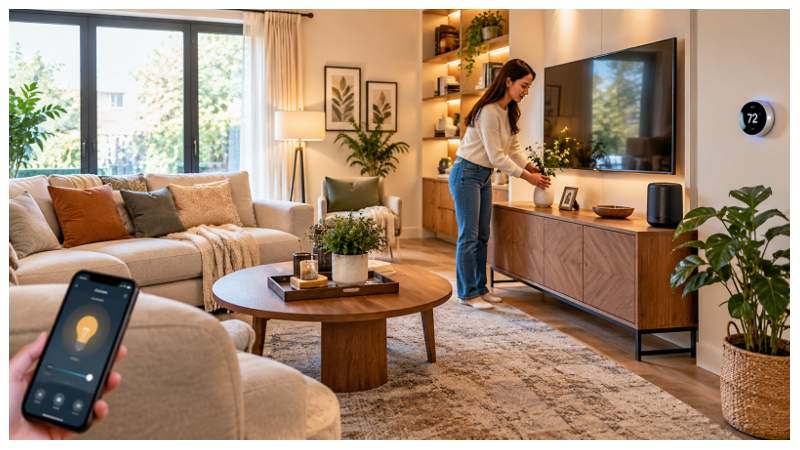
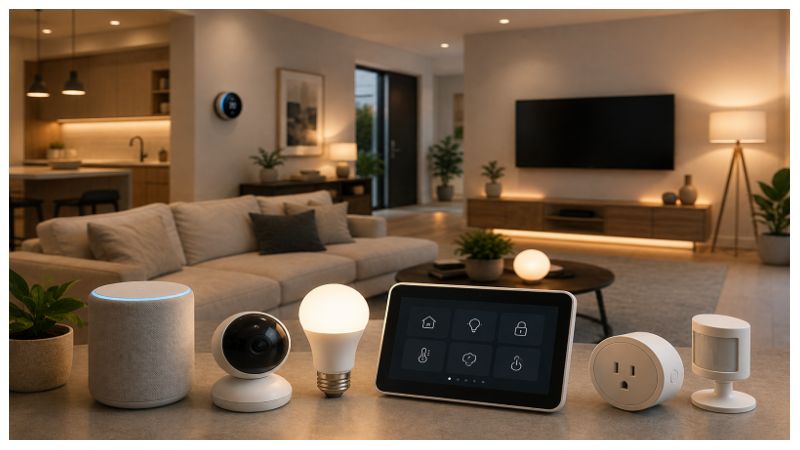
Decoradtech home devices from decoratoradvice refers to modern technology designed to make homes more convenient, connected, secure, and efficient. Smart home devices can perform everyday tasks automatically or allow homeowners to control different systems through smartphones, voice commands, schedules, or centralized applications.
These devices can include smart lights, security cameras, thermostats, kitchen appliances, cleaning machines, entertainment systems, and connected household appliances. Instead of treating technology as something separate from interior design, homeowners can select devices that fit naturally into their lifestyle and home environment.
Why Smart Devices Matter in Modern Homes
Modern households often look for ways to save time and manage everyday activities more efficiently. Smart devices can help by automating repetitive tasks and providing greater control over different areas of the home.
For example, smart lighting can be scheduled, connected security equipment can provide monitoring, and automated cleaning devices can operate according to a routine. The right technology can therefore complement a comfortable and well-organized home.
How Technology Can Improve Everyday Living
Technology can simplify ordinary activities. A homeowner may adjust lighting without getting up, check a door remotely, manage a thermostat, or schedule an appliance through an app.
However, smart technology is most useful when it addresses a genuine need. Adding too many devices can make a home unnecessarily complicated, so thoughtful selection is important.
Understanding Decoradtech Home Devices
Smart Home Technology Basics
Smart home technology connects household devices with digital controls. Depending on the product, control may happen through a mobile application, voice assistant, remote control, timer, or automation system.
Some devices work independently, while others can communicate with additional products. Understanding these differences makes it easier to create a reliable setup.
Connected Devices and Home Automation
Home automation allows certain actions to happen automatically. Lights can turn on according to a schedule, cleaning devices can operate at selected times, and climate systems can respond to programmed settings.
Automation can reduce repetitive tasks while helping homeowners establish routines that suit their daily schedules.
Choosing Devices Based on Your Needs
Start by identifying a problem you want technology to solve. If lighting is difficult to manage, smart lights may be useful. If security is a concern, cameras or sensors could be considered.
Beginning with practical needs is generally better than purchasing devices simply because they are popular.
Decoradtech home devices from decoratoradvice
Popular Smart Home Device Categories
Smart home technology covers many categories. Common options include lighting systems, security equipment, thermostats, kitchen appliances, robot cleaners, entertainment devices, and connected household appliances.
Each category serves a different purpose, so homeowners can choose only the products that fit their lifestyle.
Practical Technology for Modern Homes
Useful technology should make household routines simpler. A smart device should offer a clear advantage through automation, convenience, monitoring, or improved control.
Before buying, consider how often the feature will actually be used and whether it provides meaningful long-term value.
Creating a Connected Home Environment
A connected home works best when devices communicate reliably. Compatibility should be considered before purchasing multiple products.
Keeping the system simple at first can make future expansion easier and reduce potential connection problems.
Smart Lighting Devices
Smart Bulbs and LED Lights
Connected smart lights give you convenient control over your home’s ambiance, while modern LED technology delivers bright, reliable illumination with reduced energy use. Depending on the product, users may adjust brightness, schedules, and other settings.
Automated Lighting Controls
Timers and schedules can make lighting more convenient. Lights can be programmed to operate at particular times, helping create consistent routines.
Voice and App-Based Lighting
Some lighting systems allow control through mobile applications or compatible voice assistants. This can be especially useful when controlling several lights around the home.
Energy-Saving Lighting Solutions
Efficient bulbs combined with sensible scheduling can help reduce unnecessary lighting use. Turning lights off automatically when they are not needed can also improve household efficiency.
Smart Home Security Devices
- Smart Cameras: Smart cameras can provide remote monitoring of selected areas. Homeowners should position them carefully and review privacy settings before use.
- Video Doorbells: Video doorbells can combine door monitoring with alerts and two-way communication. They can be useful for checking visitors or deliveries.
- Smart Locks: Connected locks may provide convenient access controls. Before installation, homeowners should consider compatibility, backup access methods, and security settings.
- Motion and Entry Sensors: Sensors can notify homeowners when movement or entry is detected. They can complement other security equipment as part of a broader home monitoring approach.
Smart Home Climate Devices
- Smart Thermostats: Smart thermostats allow homeowners to manage temperature settings through digital controls. Some systems can follow schedules designed around household routines.
- Temperature Sensors: Additional sensors can provide information about conditions in different parts of a home. This may help homeowners understand temperature variations.
- Automated Climate Control: Automation can adjust heating or cooling according to programmed preferences. Proper setup is important to avoid unnecessary operation.
- Energy-Efficient Heating and Cooling: Smart controls can support more efficient use of heating and cooling systems by reducing operation when it is not required.
Decent Kitchen Devices
Connected Kitchen Appliances
Connected appliances can offer digital controls, notifications, and monitoring features. These functions can make some kitchen tasks easier to organize.
Smart Ovens and Cooking Devices
Modern cooking devices may provide programmable settings and remote monitoring features. Users should still follow manufacturer safety instructions and avoid relying on remote controls for situations requiring direct supervision.
Smart Refrigerators
Connected refrigerators may offer organizational or monitoring features. The usefulness of these functions depends on household habits and needs.
Automated Kitchen Convenience
Smart kitchen technology is most valuable when it saves time without making simple tasks unnecessarily complicated.
Smart Cleaning Devices
Robot Vacuum Cleaners
Robot vacuums can automatically clean floors according to selected schedules. They are particularly useful for maintaining routine cleaning between deeper cleaning sessions.
Smart Mops
Connected mopping devices can provide automated floor care. Their suitability depends on flooring materials and manufacturer recommendations.
Automated Cleaning Schedules
Scheduling allows cleaning devices to operate at convenient times. Homeowners can choose periods when rooms are not being used.
Choosing Devices for Different Floor Types
Before purchasing a robotic cleaner, check whether it is appropriate for carpets, tile, wood, or other surfaces in the home.
Smart Entertainment Devices
Smart TVs and Streaming Devices
Modern smart televisions and streaming devices simplify home entertainment by giving you quick access to apps, digital platforms, and a variety of online content from a single setup.
Wireless Speakers
Wireless speakers can make it easier to distribute audio around different areas of a home.
Voice Assistants
Voice assistants can provide hands-free control of compatible entertainment and household devices.
Creating a Connected Entertainment Space
A well-designed entertainment area should combine technology with comfortable seating, appropriate lighting, organized cables, and easy access to controls.
Smart Home Appliances
Connected Washing Machines
Connected washing machines may provide cycle information, notifications, or remote management features.
Smart Dryers
Smart dryers can offer alerts and monitoring tools that help homeowners keep track of laundry cycles.
Automated Household Appliances
Other connected appliances may offer scheduling and digital monitoring. Choose features based on genuine household requirements.
Managing Appliances Through Mobile Apps
A central application can make device management easier when several products are compatible with the same ecosystem.
Benefits of Smart Home Devices
Improving Convenience
Automation can reduce repetitive activities and give homeowners easier control over household systems.
Enhancing Home Security
Connected cameras, sensors, locks, and doorbells can provide additional monitoring capabilities when properly configured.
Saving Energy
Smart schedules and efficient devices can help reduce unnecessary energy consumption.
Creating Personalized Home Experiences
Homeowners can customize lighting, temperature, entertainment, and automation routines according to personal preferences.
How to Choose the Right Smart Devices
Checking Device Compatibility
Always check whether a device works with your existing technology, operating system, network, or smart home platform.
Comparing Features
Look beyond marketing claims and compare the features you will actually use. Extra functions are not necessarily valuable if they remain unused.
Considering Installation Requirements
Some devices are simple to install, while others may require wiring, mounting, or professional assistance.
Setting a Realistic Budget
Create a budget before shopping. Starting with essential devices can prevent unnecessary spending and allow the system to grow gradually.
Smart Home Connectivity
Wi-Fi and Device Connections
Reliable connectivity is important for connected devices. Weak network coverage can affect performance, particularly for devices placed far from the router.
Smart Home Hubs
Some systems use hubs to connect multiple devices. Check compatibility carefully before selecting a hub-based ecosystem.
App-Based Device Management
Mobile applications can provide centralized controls, notifications, schedules, and settings.
Reliable Home Networks
A stable network creates a stronger foundation for smart technology. Position networking equipment appropriately and keep connected devices updated.
Privacy and Security Considerations
Protecting Smart Devices
Smart devices should be configured with appropriate security settings. Avoid leaving default passwords unchanged.
Using Strong Passwords
Use strong, unique passwords for important accounts and enable additional security features where available.
Updating Device Software
Software updates can provide improvements and security fixes. Keep compatible devices and applications updated.
Managing Connected Device Access
Review which people and applications have access to your smart home system. Remove unnecessary permissions when they are no longer required.
Budget-Friendly Smart Home Ideas
Affordable Smart Devices
You do not need to automate an entire home immediately. A few practical devices can provide noticeable convenience.
Starting With Essential Products
Begin with one category, such as lighting or security, and evaluate how useful it becomes before expanding.
Expanding Your Smart Home Gradually
Adding devices over time allows you to learn how different systems work and identify compatibility issues early.
Getting More Value From Existing Devices
Before replacing household equipment, check whether existing products can work with smart plugs, compatible controls, or other affordable technology.
Energy-Efficient Smart Home Solutions
Monitoring Energy Consumption
Energy-monitoring devices can help homeowners understand where electricity is being used and identify areas for improvement.
Automated Power Management
Schedules and automation can turn selected equipment off when it is not required.
Efficient Lighting and Appliances
Combining efficient appliances with smart controls can create a more practical approach to household energy use.
Reducing Unnecessary Energy Use
Simple habits remain important. Technology works best when combined with responsible everyday energy management.
Common Smart Home Mistakes to Avoid
Buying Incompatible Devices
Purchasing products without checking compatibility can create connection and control problems.
Ignoring Security Settings
Convenience should never replace basic digital security. Review passwords, permissions, updates, and privacy controls.
Installing Too Many Devices
A large number of devices can become difficult to manage. Start small and expand only when there is a clear reason.
Choosing Features You Do Not Need
Avoid paying extra for complicated features that do not improve your everyday routine.
Future of Smart Home Technology
Artificial Intelligence in Home Devices
Artificial intelligence may continue to make smart devices more responsive to routines and household preferences.
More Personalized Automation
Future systems may provide increasingly customized automation based on schedules, usage patterns, and user preferences.
Energy Management Innovations
Smart technology can continue supporting energy monitoring and automated consumption management.
Growing Connected Home Ecosystems
As connected products develop, compatibility and centralized control may become increasingly important when designing a smart home.
Conclusion
Final Thoughts on decoradtech Home Devices
Decoradtech home devices from decoratoradvice represent a broad approach to using technology for convenience, security, efficiency, entertainment, and household management.
The best smart home is not necessarily the one with the most devices. Instead, it is a home where technology serves clear purposes and fits naturally into everyday routines.
Creating a Convenient and Connected Home
Start by identifying your priorities. Better lighting, improved security, easier cleaning, efficient climate control, or entertainment may each require different solutions.
Choose compatible products, configure them carefully, and maintain appropriate security settings.
Choosing Technology That Fits Your Lifestyle
Smart technology should support the way you already live. Thoughtful selection can create a home that feels more convenient without becoming unnecessarily complicated.
FAQs
What are decoradtech home devices?
Decoradtech home devices are smart and connected household technologies designed to provide greater convenience, control, automation, security, entertainment, or efficiency.
Which smart home devices are best for beginners?
Smart lights, smart plugs, basic security devices, and simple voice-controlled products can be suitable starting points because they are generally easy to understand and use.
How can smart devices make a home more convenient?
They can automate routines, provide remote controls, send notifications, manage lighting, monitor selected areas, and simplify certain household tasks.
Are smart home devices energy efficient?
Some smart devices can support energy efficiency through scheduling, monitoring, and automated controls. Actual savings depend on the device, settings, and how it is used.
How can I secure my connected home devices?
Use strong unique passwords, enable available security features, keep device software updated, review permissions, and secure the network connecting your devices.