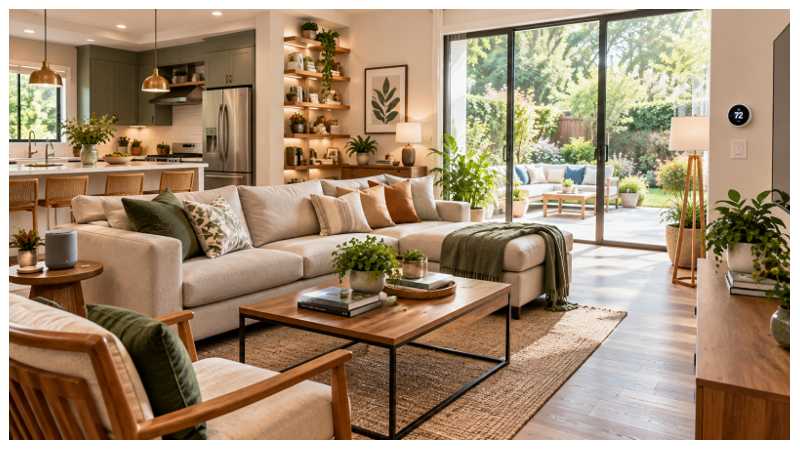
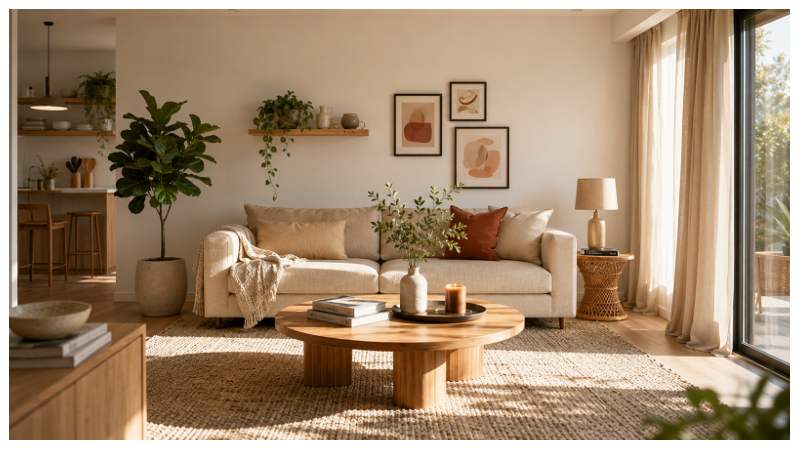
Home decoration is not simply about purchasing attractive furniture or filling empty walls with accessories. It is about creating an environment that feels comfortable, organized, personal, and visually balanced. The right decorating choices can change how a room looks while also improving how it functions.
These decoration tips decoradhouse from decoratoradvice focus on practical ideas that homeowners can apply without completely redesigning their property. Whether you want a quick refresh or a more noticeable transformation, thoughtful planning can help you achieve better results while controlling your budget.
Why Home Decoration Matters
A well-decorated home can support everyday comfort and make ordinary spaces feel more inviting. Color, lighting, furniture, textures, and accessories all contribute to the atmosphere of a room.
Good decoration also helps homeowners express their personality. Instead of following every trend, choose elements that suit your lifestyle and make the space enjoyable to use.
Creating a Comfortable and Stylish Home
A truly inviting home blends beautiful design with the comfort you need every day. Choose furniture that is practical, arrange rooms so people can move easily, and use soft furnishings to add warmth.
A stylish home does not necessarily require expensive products. Coordinated colors, thoughtful placement, clean surfaces, and suitable lighting can create an attractive appearance with relatively simple changes.
Decorating with Personality and Purpose
Personal items can make a home feel authentic. Family photographs, artwork, books, plants, travel souvenirs, and handmade pieces can all contribute character.
However, every decorative item should have a purpose within the room. A carefully selected collection usually creates a stronger impression than an excessive number of unrelated accessories.
Understanding the Basics of Home Decoration
Before changing a room, understand the basic principles that help create visual balance.
Balance and Visual Harmony
Balance means distributing visual weight throughout a room. Large furniture pieces can be balanced with artwork, plants, lighting, or smaller accessories on the opposite side.
Harmony comes from using elements that work naturally together. Repeating similar colors, materials, or shapes can make different parts of a room feel connected.
Proportion and Scale
Furniture and decorations should match the size of the room. A very large sofa can overwhelm a small living area, while tiny furniture may look lost in a spacious room.
Measure important areas before buying new pieces. This simple step can prevent expensive decorating mistakes.
Creating a Strong Focal Point
Every room benefits from an element that naturally attracts attention. This could be a fireplace, artwork, statement light, accent wall, attractive bed, or architectural feature.
Once a focal point is selected, arrange other elements so they support rather than compete with it.
Using Texture and Contrast
Texture gives a room depth. Combine materials such as wood, cotton, glass, metal, woven fabrics, and ceramics.
Contrast can also make interiors more interesting. A soft rug against a hard floor or natural wood beside smooth surfaces creates visual variety without requiring excessive decoration.
Choosing Your Home Decoration Style
Modern and Minimalist Style
Modern interiors often use clean lines, simple furniture, neutral colors, and limited accessories. Minimalism takes this approach further by emphasizing useful objects and open space.
Traditional and Classic Style
Traditional decoration often includes detailed furniture, warm colors, symmetrical arrangements, and timeless accessories. It can create a comfortable and established atmosphere.
Scandinavian-Inspired Interiors
Scandinavian-style rooms commonly emphasize simplicity, natural materials, practical furniture, and bright interiors. Wood, soft textiles, and uncluttered layouts work particularly well.
Bohemian and Eclectic Décor
Bohemian decoration allows greater freedom with colors, patterns, plants, artwork, and textiles. The key is to combine different pieces intentionally so the room remains visually connected.
Industrial Home Design
Industrial interiors often combine exposed materials, metal details, wood, neutral colors, and functional furniture. This style can work especially well in open-plan spaces.
decoration tips decoradhouse from decoratoradvice
The most effective decorating approach combines visual appeal with everyday practicality.
Practical Decoration Ideas for Every Home
Begin with areas that have the greatest effect on the room. Fresh paint, improved lighting, updated curtains, rearranged furniture, and carefully selected accessories can produce noticeable changes.
Combining Beauty with Functionality
Choose decorative items that also serve useful purposes. Storage baskets, attractive lamps, stylish mirrors, benches, and decorative shelves can improve both appearance and organization.
Creating a Cohesive Interior Design
Select a small group of colors and materials and repeat them throughout the home. This creates a connection between rooms without requiring every space to look identical.
Making Small Changes with a Big Impact
A full-scale makeover isn’t necessary to give your home a fresh and updated appearance. Changing cabinet hardware, adding plants, updating lamps, replacing cushions, or introducing artwork can refresh a room quickly.
Choosing the Right Colors
Selecting a Main Color Palette
Choose a primary color before adding secondary and accent shades. Neutral foundations can make it easier to introduce stronger colors through furniture and accessories.
Using Accent Colors
Accent shades add character, depth, and a distinctive touch to any room. Use them through cushions, artwork, rugs, decorative objects, or a feature wall.
Warm vs Cool Color Schemes
Warm shades can create an inviting atmosphere, while cooler tones often produce a calmer appearance. Consider natural light before choosing between them.
Matching Colors Across Different Rooms
Rooms do not need identical colors. Instead, repeat one or two related shades so the entire home feels connected.
Living Room Decoration Tips
Creating a Welcoming Layout
Arrange furniture around conversation and daily activities. Keep walkways clear and avoid placing too many large pieces close together.
Choosing Comfortable Furniture
A living room should support relaxation. Select seating based on comfort, room size, durability, and the number of people who regularly use the space.
Adding Artwork and Decorative Pieces
Artwork gives walls personality and creates visual interest. Select pieces that complement the room’s color palette without making the space feel crowded.
Using Rugs, Cushions, and Curtains
Soft furnishings introduce warmth and texture. Coordinate them without making everything identical, allowing small variations in patterns and materials.
Kitchen Decoration Ideas
Styling Kitchen Countertops
Keep frequently used items accessible while avoiding unnecessary clutter. A small plant, attractive container, or carefully selected kitchen accessory can add character.
Decorating Open Shelves
Open shelving provides space to display dishes, jars, plants, cookbooks, and decorative objects. Keep arrangements organized by repeating colors or materials.
Adding Functional Accessories
Choose attractive items that are genuinely useful, such as storage containers, cutting boards, utensil holders, and serving pieces.
Creating a Clean and Organized Kitchen
Organization is one of the most effective forms of kitchen decoration. Clear counters, grouped supplies, and efficient storage make the space look cleaner and easier to use.
Bedroom Decoration Tips
Creating a Relaxing Atmosphere
Use calming colors, soft textiles, controlled lighting, and limited clutter. The bedroom should feel restful rather than visually overwhelming.
Choosing Comfortable Bedding
Layer bedding with sheets, blankets, cushions, and a suitable comforter. Select materials that feel comfortable and are easy to maintain.
Using Soft Lighting
Bedside lamps and warm-toned lighting can create a gentler atmosphere than relying entirely on bright overhead fixtures.
Adding Personal Decorative Details
Books, framed photographs, artwork, or meaningful objects can personalize the bedroom while keeping the design simple.
Bathroom Decoration Ideas
Modern Bathroom Accessories
Mirrors, storage containers, towel racks, soap dispensers, and small decorative items can modernize a bathroom without major construction.
Choosing Stylish Towels and Textiles
Coordinated towels and bath mats can introduce color and texture. Choose practical materials that are easy to wash and maintain.
Adding Plants and Natural Elements
Suitable plants can soften hard bathroom surfaces and bring natural character into the space. Always consider available light and moisture.
Creating a Spa-Inspired Atmosphere
Use soft lighting, neutral colors, natural textures, organized storage, and minimal accessories to create a peaceful bathroom environment.
Furniture Placement and Room Layout
Improving Movement and Flow
Leave enough space between major furniture pieces for comfortable movement. A room should feel open rather than blocked.
Avoiding Overcrowded Rooms
Only keep furniture that serves a purpose. Removing unnecessary pieces can make even a small room appear larger.
Creating Conversation Areas
Arrange seating so people can comfortably communicate. In larger rooms, consider creating multiple functional zones.
Choosing Multi-Functional Furniture
Storage ottomans, extendable tables, sofa beds, and benches can provide additional usefulness without taking up unnecessary space.
Lighting Ideas for Beautiful Interiors
Natural Lighting
Make the most of daylight by keeping windows clear and using curtains that allow light to enter when privacy permits.
Ambient Lighting
Ceiling fixtures and general room lighting provide the basic illumination needed for everyday activities.
Task Lighting
Task lights are useful for reading, cooking, working, studying, or applying makeup. Place them where focused illumination is needed.
Accent and Decorative Lighting
Accent lights can highlight artwork, shelves, architectural details, or plants. Decorative fixtures can also become design features themselves.
Wall Decoration Ideas
Creating an Accent Wall
An accent wall can introduce a strong color, pattern, texture, or material without changing the entire room.
Gallery Wall Inspiration
Combine framed artwork, photographs, and prints to create a personalized display. Keep spacing reasonably consistent for a more organized appearance.
Mirrors for Style and Space
Strategically placed mirrors can bounce natural light around a room, creating a brighter and more spacious feel. Position them carefully so they reflect an attractive view rather than clutter.
DIY Wall Art Ideas
Simple paintings, framed fabric, photographs, or handmade artwork can personalize walls without requiring expensive purchases.
Rugs, Curtains, and Soft Furnishings
Choosing the Right Rug Size
A rug should relate appropriately to the furniture arrangement. An undersized rug can make a room feel disconnected, while the right size helps visually anchor the area.
Selecting Curtains for Different Rooms
Choose curtains based on privacy, light control, room style, and maintenance. Floor-length curtains can create a more finished appearance when suitable.
Layering Cushions and Throws
Different sizes and textures can make sofas and beds more inviting. Use a coordinated palette rather than unrelated patterns.
Mixing Patterns and Textures
Mixing patterns works best when they share at least one connecting color or visual element. Balance bold designs with simpler textures.
Budget-Friendly Decoration Tips
Affordable Home Updates
Painting, replacing hardware, rearranging furniture, updating lighting, and adding textiles are among the easiest ways to refresh a home.
Decorating with Second-Hand Items
Second-hand furniture and accessories can provide character at lower prices. Look for pieces with good structure that can be cleaned, repaired, or refreshed.
Repurposing Existing Furniture
An old cabinet can become a storage unit, while a tired table may gain a new appearance through refinishing or painting.
DIY Decoration Projects
Simple DIY projects can include framed artwork, painted planters, floating shelves, decorative storage boxes, and customized accessories.
Decorating Small Spaces
Using Vertical Space
Tall shelving and wall-mounted storage can provide useful capacity without consuming valuable floor space.
Choosing Space-Saving Furniture
Nesting tables, folding furniture, storage beds, and compact seating can help small rooms remain functional.
Making Rooms Feel Larger
Light colors, mirrors, clear pathways, and appropriately scaled furniture can improve the sense of space.
Reducing Visual Clutter
Keep surfaces organized and avoid displaying too many small objects. A cleaner visual field can make a compact room feel more comfortable.
Indoor Plants and Natural Décor
Choosing Easy-Care Houseplants
Select plants according to available light, temperature, and maintenance ability. Avoid choosing varieties simply because they are visually attractive.
Creating Green Corners
Group plants in one area to create a natural focal point. Different heights and leaf shapes can add visual depth.
Using Wood and Natural Materials
Wood, stone, rattan, cotton, and woven materials can introduce warmth and natural character into modern interiors.
Bringing Outdoor Elements Indoors
Natural textures, greenery, floral arrangements, and organic shapes can connect indoor spaces with the outdoor environment.
Outdoor and Garden Decoration Tips
Decorating Patios and Balconies
Use outdoor rugs, compact furniture, planters, and suitable lighting to make patios and balconies more welcoming.
Creating Comfortable Outdoor Seating
Choose seating that matches the available space and provides enough comfort for relaxing or entertaining.
Adding Garden Accessories
Planters, decorative stones, lanterns, and carefully selected garden ornaments can add personality without overwhelming the landscape.
Using Outdoor Lighting
Outdoor lighting can improve visibility while highlighting pathways, plants, patios, and architectural features.
Seasonal Home Decoration
Spring Decorating Ideas
Introduce fresh greenery, lighter textiles, floral accents, and brighter accessories to create a refreshed atmosphere.
Summer Home Refresh
Use breathable fabrics, lighter colors, natural materials, and simple outdoor accessories for a relaxed seasonal look.
Autumn Décor Inspiration
Warm tones, textured blankets, natural decorations, and soft lighting can make interiors feel cozy during cooler months.
Winter and Holiday Styling
Layered textiles, warm lighting, greenery, and carefully selected seasonal decorations can create a welcoming winter atmosphere.
Eco-Friendly Decoration Tips
Choosing Sustainable Materials
Look for durable materials and products made with responsible or recycled materials when practical.
Reusing and Upcycling Décor
Repurposing existing objects reduces waste while creating opportunities for personalized design.
Reducing Unnecessary Purchases
Instead of constantly buying new decorations, evaluate what you already own and move pieces between rooms to create a fresh arrangement.
Selecting Long-Lasting Home Accessories
Quality accessories that remain attractive and useful for years can reduce frequent replacement and unnecessary spending.
Common Home Decoration Mistakes to Avoid
Overcrowding the Room
Too many furniture pieces or decorative objects can make a room uncomfortable and visually chaotic.
Using Too Many Colors
A large number of unrelated colors can weaken the overall design. A controlled palette usually produces a more harmonious result.
Ignoring Room Proportions
Decorations should match the room’s dimensions. Oversized pieces can dominate small spaces, while tiny accessories may disappear in larger rooms.
Choosing Style Over Comfort
A beautiful chair is not a successful choice if it is uncomfortable. Decoration should improve the way you live, not simply create an attractive photograph.
Modern Decoration Trends
Minimalist Design
Minimalism emphasizes clean spaces, purposeful furniture, and fewer unnecessary objects.
Natural and Earthy Interiors
Earth-inspired colors, wood, plants, and natural textures continue to provide warmth and a relaxed visual character.
Smart Decorative Technology
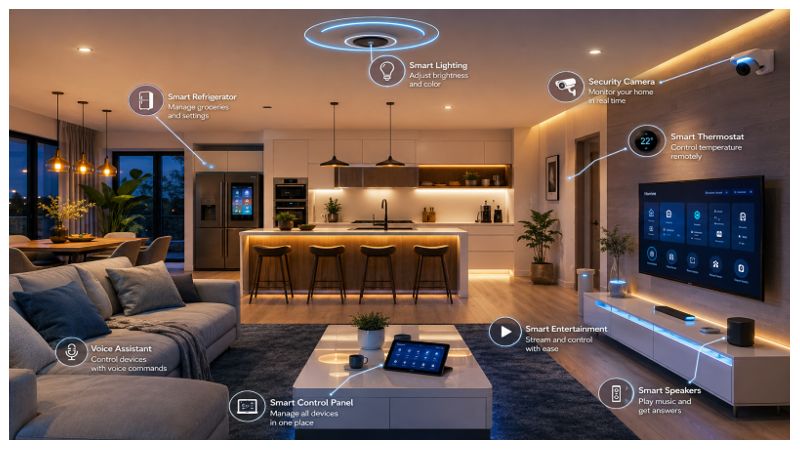
Smart lighting, automated blinds, and connected home devices can add convenience while becoming part of a modern interior design.
Mixing Modern and Classic Elements
Combining contemporary pieces with timeless furniture or traditional accessories can create a balanced and personalized interior.
How to Create a Cohesive Home
Connecting Different Rooms
Use related colors, materials, or design details to create a visual connection between rooms.
Repeating Colors and Materials
Repeating selected shades or textures throughout the home helps create continuity without making every room identical.
Maintaining a Consistent Style
Choose a general design direction and allow individual rooms to have their own character within that framework.
Balancing Individuality with Harmony
Your home should reflect your personality while maintaining enough visual consistency to feel connected and intentional.
Conclusion
Final Thoughts on Decoration Tips Decoradhouse from DecoratorAdvice
Effective decoration begins with understanding how you live and what your home needs. Rather than purchasing items randomly, plan your colors, furniture, lighting, storage, and accessories around the purpose of each room.
The decoration tips decoradhouse from decoratoradvice approach encourages homeowners to make thoughtful improvements that combine personal style with practical living. Even small adjustments can make a meaningful difference when they are carefully selected and properly placed.
Creating a Beautiful and Functional Home
A successful home combines comfort, organization, personality, and visual appeal. By choosing suitable furniture, coordinating colors, improving lighting, adding natural elements, and controlling clutter, you can create rooms that feel welcoming without becoming excessive.
The goal is not to make every space look perfect. Instead, create a home that works well for your lifestyle and continues to feel comfortable over time.
FAQs
What are the easiest home decoration upgrades?
Fresh paint, new cushions, updated curtains, better lighting, rearranged furniture, indoor plants, and carefully selected artwork are simple ways to refresh a room.
How can I decorate my home on a small budget?
Start by rearranging existing furniture, repainting selected areas, repurposing old pieces, shopping second-hand, and completing simple DIY projects.
Which colors work best for modern interiors?
Neutral shades such as white, beige, gray, and earthy tones provide flexible foundations. Accent colors can then be introduced through furniture, artwork, textiles, or accessories.
How can I make a small room look bigger?
Use appropriately scaled furniture, maintain clear pathways, reduce clutter, use mirrors strategically, and consider lighter colors to create a more open visual effect.
What are the best ways to make a home feel more comfortable?
Focus on comfortable furniture, layered lighting, soft textiles, organized storage, suitable temperatures, natural elements, and personal objects that make the space feel familiar and welcoming.